
Navigate the second half of your life with the energy and strength you deserve. If you’ve reached age 35 and beyond, you’ve likely noticed that your body doesn't respond to the same "hacks" it used to. Maybe the weight is harder to manage, your energy dips by 3 PM, or you just don’t feel as "tight" as you once did.
The culprit? It’s often not a lack of willpower: it’s a lack of protein.
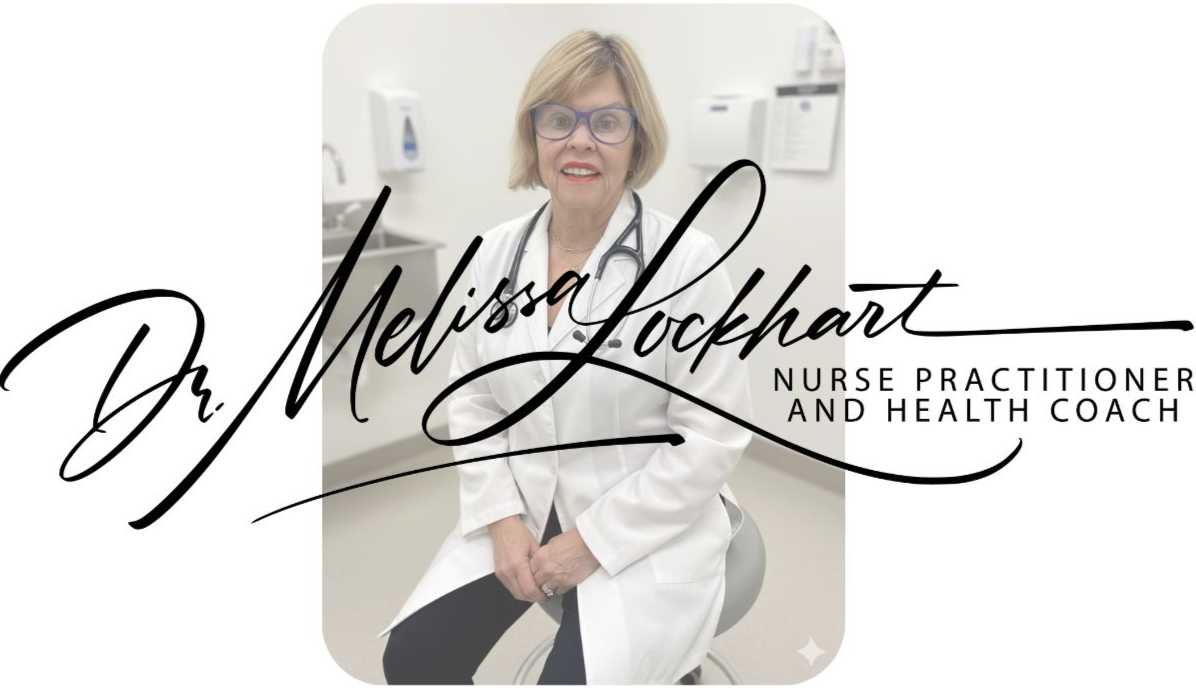
As a Nurse Practitioner and health coach, I’ve seen hundreds of women over 35 struggle because they are still following nutrition advice designed for 20-year-olds. At Powerful Wellness, we focus on the Midlife Reset: a period where we transition from "surviving" to "thriving" by aligning our lifestyle with our changing hormones.
Let’s dive into why your current protein strategy might be failing you and how to fix it fast.
1. You are simply under-fueling
Stop focusing solely on restriction. Many women over 35 are in a perpetual state of "dieting," which leads to chronic under-fueling. When you don't eat enough total protein, your body begins to break down its own muscle tissue for energy. This lowers your metabolic rate, making weight management an uphill battle.
2. You’re ignoring the "Sarcopenia" clock
Understand that sarcopenia: the age-related loss of muscle mass: starts earlier than you think. While it accelerates in your 40s and 50s, the foundation is laid in your late 30s. Without adequate protein, you are essentially losing your metabolic engine. Maintaining muscle is the #1 way to keep your metabolism vibrant as you age.
3. You are back-loading your protein at dinner
Distribute your protein intake evenly throughout the day. Most women eat a piece of toast for breakfast, a salad for lunch, and then a giant steak for dinner. Your body can only use so much protein at once for muscle repair. To trigger Muscle Protein Synthesis (MPS), you need a consistent "dose" at every meal.
4. You aren't hitting the 30g "Leucine" threshold
Aim for 30 grams of protein per meal. This isn't an arbitrary number. Research shows that about 30g of high-quality protein contains enough of the amino acid leucine to "flip the switch" on muscle building. If you’re only eating 10-15g at breakfast, you’re missing the opportunity to protect your muscle.

5. You’re choosing "Protein" over "Quality"
Prioritize high-quality, bioavailable sources. Not all protein is created equal. While plant proteins are valuable, animal proteins are often more "complete" and easier for your body to absorb. This is why I personally recommend and partner with Butcher Box.
Access high-quality, grass-fed beef, organic chicken, and wild-caught seafood delivered to your door. It removes the friction of sourcing and ensures you always have the best protein on hand for your 30g-per-meal goal. Get started with Butcher Box here (Affiliate Link).
6. You’re afraid of "Bulking"
Let go of the fear that protein makes you bulky. Women over 35 lack the testosterone levels to bulk up like bodybuilders without extreme effort. Protein and resistance training won't make you "big": they will make you firm, strong, and metabolically flexible.
7. You’re over-relying on processed protein bars
Swap the bars for whole foods. Many protein bars are essentially glorified candy bars with added whey. They often contain sugar alcohols and fillers that cause bloating and disrupt your gut health. Stick to real meat, eggs, fish, and legumes whenever possible.
8. You aren't pairing protein with resistance training
Stay active with intent. Protein provides the building blocks, but resistance training provides the signal to use them. Whether it’s lifting weights, using resistance bands, or bodyweight exercises, you must give your muscles a reason to stay. Check out our Work With Me page for guidance on integrating these habits.

9. You’re underestimating your needs during Perimenopause
Adjust your intake as your hormones shift. During perimenopause, your body becomes less efficient at processing protein (a phenomenon called "anabolic resistance"). This means you actually need more protein than you did in your 20s to get the same muscle-preserving effects.
10. You lack a convenient sourcing strategy
Find a system that works for your busy life. If you have to hunt for good meat at three different grocery stores, you won’t stay consistent. This is the "secret" to the Midlife Reset: making the healthy choice the easiest choice. Using a service like Butcher Box means your freezer is always stocked with high-protein foundations.
The Professional Context: Why This Matters Now
In my role as a judge for the Columbia School of Business HITLAB since 2024, working alongside Stan Kachnowski, PhD, MBA, I’ve seen the cutting edge of health technology and nutrition science. The data is clear: metabolic health in women over 35 is the cornerstone of long-term wellness. We aren't just talking about fitting into a pair of jeans; we are talking about preventing chronic disease and feeling powerful in your own skin.
Take Action: Your Mid-Week Protein Check
Don’t wait for Monday to start. Start today by looking at your next meal.
- Identify: Where is your protein source?
- Quantify: Is it at least 30g?
- Simplify: Do you have high-quality protein ready for tomorrow?

Ready for a deeper dive?
If you're ready to stop guessing and start feeling vibrant, access our Free 15 Minute Call to discuss our Metabolic Reset programs. Let’s get your protein: and your health: back on track.
Stay powerful,
Melissa (Dr. Lockhart)
Disclaimer: The information provided on this blog is for educational and informational purposes only and is not intended as medical advice. Always consult with a qualified healthcare professional before making any changes to your diet, exercise routine, or medical treatment. Results may vary based on individual health status and adherence to the program. This post contains affiliate links for Butcher Box, which means I may earn a commission if you make a purchase through these links at no additional cost to you.