
Change is in the air, and for millions of women navigating the complexities of hormone health, this change is a massive win. As of May 2026, the medical community has finally caught up to what many of us have known for years: PCOS isn't just about "cysts" on ovaries. It is a full-body, metabolic, and endocrine experience.
In a landmark global consensus published in The Lancet, over 56 professional organizations and 14,000 patients came together to give this condition a name that actually fits: Polyendocrine Metabolic Ovarian Syndrome (PMOS).
If you have spent your 30s or 40s feeling like your body is a mystery: battling stubborn weight, irregular cycles, or that "wired but tired" feeling: this update is for you. Let’s dive into what this means for your health journey and how you can take control today.
Why the Name Change? (It’s About Time!)
For decades, the term "Polycystic Ovary Syndrome" has been misleading. The "cysts" people talked about weren't actually cysts at all; they were small, immature follicles that are a symptom of a deeper hormonal imbalance. Even more confusing? Many women diagnosed with the condition don't have these follicles at all.
Navigate your health with clarity. By renaming the condition PMOS, the medical world is acknowledging that this is a polyendocrine (multiple hormones involved) and metabolic (impacting how your body processes energy) syndrome.
For women over 35, this shift is vital. We are already navigating the natural shifts of perimenopause. Understanding that PMOS is a metabolic driver helps us focus on the right solutions: like insulin sensitivity and cortisol management: rather than just "fixing" our periods.

The Global Impact: You Are Not Alone
PMOS is not a "niche" issue. It affects approximately 1 in 8 women worldwide: that is over 170 million people. Despite how common it is, many women go years without a proper diagnosis, often being told to "just lose weight" or "go on the pill."
The Lancet consensus was the most robust renaming process in medical history, spanning 14 years of collaboration. It was designed with one goal: patient benefit. By using a more accurate name, we reduce the stigma and the confusion that often comes with a diagnosis.
How is PMOS Diagnosed Now?
The diagnostic standard still relies on the Rotterdam Criteria, but with a clearer focus on the metabolic side. To be diagnosed with PMOS, a woman typically needs to meet two out of the three following criteria:
- Hyperandrogenism: Elevated "male" hormones (like testosterone) found through blood work, or physical signs like excess hair growth or cystic acne.
- Ovulatory Dysfunction: Irregular periods or a total lack of ovulation.
- Polycystic Ovarian Morphology: Seeing 20 or more follicles on an ultrasound OR having an elevated Anti-Müllerian Hormone (AMH) level.
Access the right testing. If you suspect you have PMOS, don't just ask for an ultrasound. Ask for a full metabolic panel that looks at your insulin, glucose, and androgen levels.

The PMOS Symptom + Screening Checklist
Are you wondering if your "midlife reset" needs to include a look at PMOS? Use this checklist to track what you are feeling. If you check off more than a few of these, it’s time to have a deeper conversation with a provider who understands the metabolic nature of this syndrome.
| Symptom | What to Watch For |
|---|---|
| Irregular periods | Cycles shorter than 21 days or longer than 35 days, or fewer than 8 periods per year. |
| Excess hair growth | Hirsutism: unwanted hair on the face, chest, or back. |
| Acne / oily skin | Persistent skin issues, especially cystic acne along the jawline. |
| Hair thinning | Androgenic alopecia, specifically thinning at the crown of the head. |
| Weight struggles | Difficulty losing weight, specifically a "spare tire" or weight held around the midsection. |
| Blood sugar issues | Crashing after meals, intense sugar cravings, or confirmed insulin resistance. |
| Brain fog / fatigue | Feeling sluggish even after a full night's sleep; a common but often ignored sign. |
Stay informed. Keeping a log of these symptoms for 2-3 months is the most powerful tool you can bring to your next appointment.
Beyond the Symptoms: Long-Term Health Risks
Understanding PMOS isn't just about clearing up your skin or regulating your cycle today. It is about protecting your future self. Because PMOS is a metabolic condition, it carries increased risks for:
- Type 2 Diabetes
- Cardiovascular Disease (Heart Health)
- Metabolic Syndrome
- Sleep Apnea
- Endometrial Cancer (due to infrequent periods)
Let your health be a priority. When we address the metabolic roots of PMOS, we aren't just managing a "syndrome": we are actively lowering our risk for chronic disease.

Launching Today: The Midlife Reset
Today is July 1, 2026, and I am so excited to officially launch the Midlife Reset program!
After years of caring for everyone else: your kids, your parents, your career: it is finally time to prioritize you. I designed the Midlife Reset specifically for women over 35 who are ready to feel vibrant, confident, and in total control of their health.
Whether you are navigating a new PMOS diagnosis or you are simply ready to master your metabolism as you age, we offer the structured support you’ve been looking for. From digital resources and ebooks to personalized coaching, we help you build a foundation based on the 5 Pillars of Wellness.
Find out fast if our approach is right for you. You don't have to navigate these hormonal shifts alone.
About Dr. Melissa
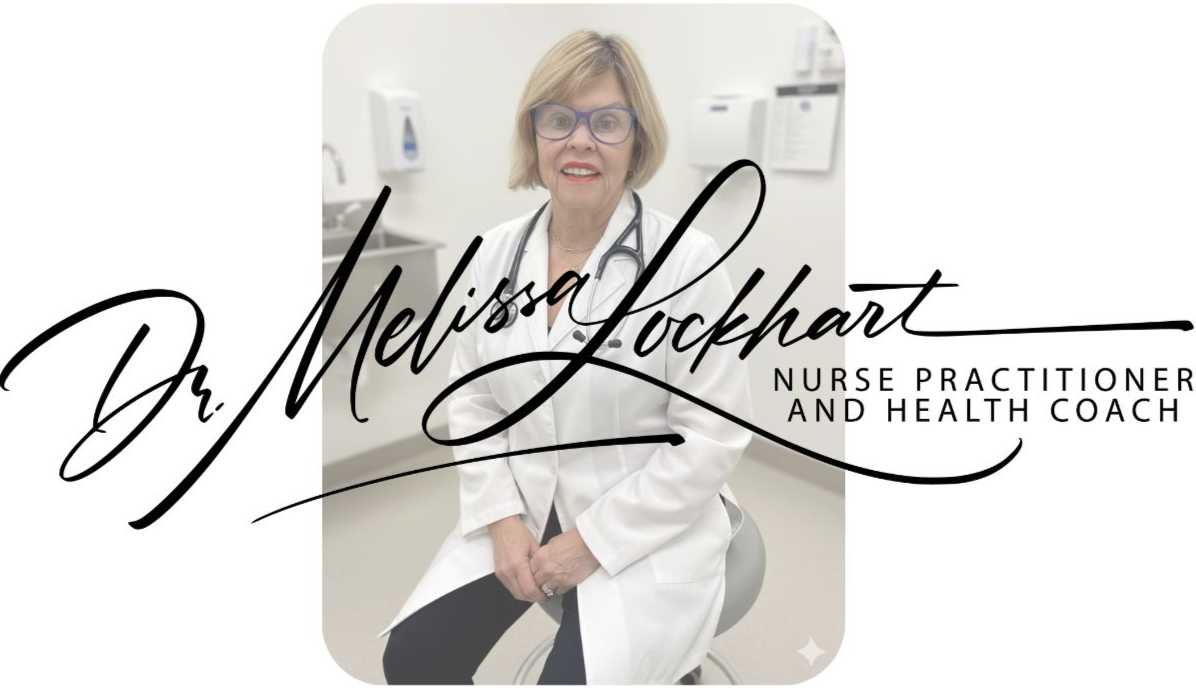
Dr. Melissa is a Nurse Practitioner and the founder of Powerful Wellness. Her work is rooted in clinical expertise and a clear mission: to empower women over 35 with evidence-based resources, education, and support so they can make confident, informed decisions about their health.

Take the Next Step
If this post resonated with you, don't wait for your symptoms to get louder. Get your score and start your journey back to yourself.
Book a Free 15-Minute Call for the Metabolic Reset Program
Let's talk about your goals, your symptoms, and how we can get you feeling powerful again.
Disclaimer: The information provided in this blog post is for educational and informational purposes only and is not intended as medical advice, diagnosis, or treatment. Always seek the advice of your physician or other qualified health provider with any questions you may have regarding a medical condition. Never disregard professional medical advice or delay in seeking it because of something you have read on this website.