
The annual physical is not just a checkbox on your calendar. It is one of the most powerful forms of self care for women over 35. It gives you a chance to catch small issues before they become bigger problems, ask better questions, and create a real plan for the next decade.
Welcome to our Powerful by Decade guide: a practical roadmap to what women should discuss, track, and request at annual physicals in their 40s, 50s, and 60s. If you have been putting everyone else first, let this be your reminder to reclaim your health with intention. At Powerful Wellness, we believe wellness for women over 35 starts with informed action.
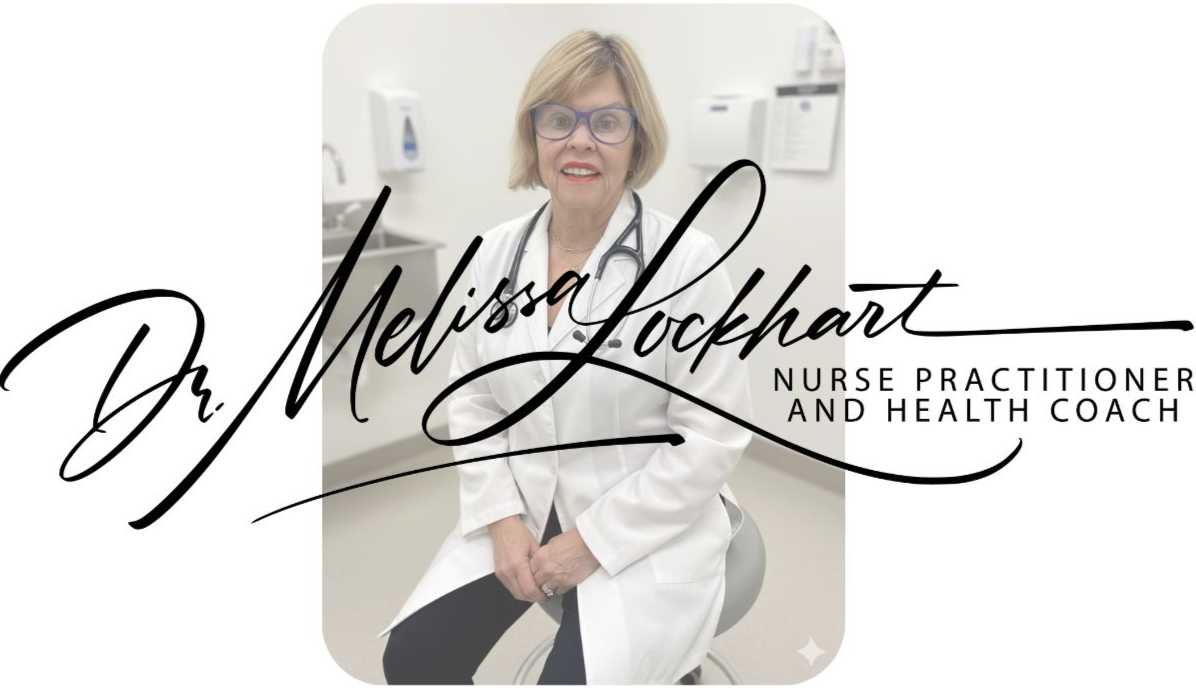
Dr. Melissa Lockhart, Nurse Practitioner, encourages women to use their annual visits as more than routine appointments. Use them to understand your labs, talk honestly about symptoms, and build a personalized strategy for women's health after 35.
Age 40: The Perimenopause Baseline
Your 40s are often when subtle shifts start to show up. You may notice changes in sleep, mood, energy, weight, periods, or stress tolerance. These can be early signs that perimenopause is beginning, even if your cycle still seems “normal.” This is the decade to build your baseline.

Labs to Ask For
Start the conversation about foundational lab work. Depending on your history and symptoms, ask your provider whether these are appropriate for you:
- TSH to screen for thyroid changes
- Fasting glucose to assess blood sugar trends
- HbA1c to look at longer-term blood sugar patterns
- Lipid panel to check cholesterol and triglycerides
- Vitamin D to support bone and immune health
- Iron and ferritin if you have fatigue, heavy periods, or hair shedding
These markers can help you spot patterns early and create a stronger midlife reset for women before problems become harder to reverse.
Talk About Perimenopause Early
Do not wait until symptoms feel extreme. Bring up hot flashes, sleep disruption, anxiety, cycle changes, brain fog, stubborn weight gain, or low energy. This is one of the most important perimenopause health tips we can offer: start the conversation early so you are not dismissed later.
Discuss Bone Health
Ask whether it makes sense to discuss a bone density baseline, especially if you have risk factors like a family history of osteoporosis, low body weight, frequent dieting, smoking history, steroid use, or early menopause.
Stay Current on Cervical Cancer Screening
Ask when you are due for your Pap smear and HPV screening. Screening intervals can vary based on your history, age, and prior results, so your provider can help clarify what is right for you.
Know Your Blood Pressure
Do not gloss over blood pressure. Even mildly elevated numbers matter over time. Ask what your reading means, whether you should monitor at home, and what daily habits can help protect your heart.
Age 50: The Metabolic Check-In
Your 50s are a key decade for metabolic, cardiovascular, and menopause-related health. This is the time to look deeper, not just broader. If your 40s were about building a baseline, your 50s are about interpreting trends and acting on them.

Expand Your Lab Review
By this stage, HbA1c becomes especially important because blood sugar changes can accelerate during and after menopause. Ask your provider whether your annual labs should include:
- HbA1c
- Comprehensive metabolic panel (CMP)
- Lipid panel
- Thyroid panel, with discussion of whether additional thyroid testing or antibodies makes sense based on symptoms or family history
This is also a smart time to review waist circumference, blood pressure, sleep quality, and activity level as part of a full metabolic picture.
Prioritize Mammogram Screening
Ask when your next mammogram is due and whether you need any special follow-up based on breast density, family history, or prior findings. Do not assume the system will automatically keep you on track.
Make a Colon Cancer Screening Plan
By age 50, colon cancer screening needs to be clearly addressed if it has not already been started. Ask your provider about timing and the best option for you, including:
- Colonoscopy
- Stool-based screening such as Cologuard, when appropriate
The right choice depends on your personal history, symptoms, risk factors, and family history.
Get Serious About Bone Density
For many women, the first DEXA scan is discussed around age 50 or after menopause. Ask whether now is the right time for your first bone density scan, especially if you have risk factors for bone loss.
Review Heart Health Markers
If you have a family history of early heart disease, ask about lipoprotein(a). It is not part of every routine lab panel, but it can add important information for some women.
Discuss Menopause and Hormone Therapy
If you are dealing with hot flashes, poor sleep, mood shifts, vaginal dryness, low libido, or changing body composition, ask about menopause support options. For some women, that may include a conversation about hormone therapy, and for others it may include non-hormonal approaches, lifestyle strategies, or symptom-specific treatment. This is where hormone balance for women over 40 becomes a practical, personalized discussion.
Age 60: The Longevity Audit
Your 60s are not about slowing down. They are about protecting independence, strength, cognition, and quality of life. This decade is your chance to audit what is working, what needs follow-up, and what will support healthy aging going forward.

Ask for a More Detailed Cardiometabolic Review
Continue regular cholesterol and metabolic screening, and ask whether you would benefit from an advanced lipid review based on your personal or family history. The goal is not just to collect numbers. The goal is to understand risk and next steps.
Screen Cognitive Health
Bring up memory changes, focus problems, word-finding difficulty, sleep issues, or mood shifts. Cognitive health matters, and early discussions can help rule out reversible issues such as medication side effects, poor sleep, thyroid concerns, depression, vitamin deficiencies, or hearing loss.
Review Immunizations
Ask whether you are due for:
- Shingles vaccine
- Pneumonia vaccine
- RSV vaccine
- Annual flu shot and other age-appropriate updates
Vaccines are a major part of prevention and deserve a place in every annual visit.
Check Fall Risk and Balance
Ask for a fall risk review if you feel unsteady, have had a recent fall, or notice changes in strength or balance. This can include balance screening, gait review, and practical next steps like strength training, footwear review, physical therapy, or home safety adjustments.
Continue Bone Density Monitoring
If you have already had a DEXA scan, ask when it should be repeated. Timing depends on your results, risk level, and treatment plan.
Review Medications Carefully
Bring every prescription, supplement, and over-the-counter medication into the conversation. Ask whether each one is still necessary, whether there are interactions, and whether anything can be reduced or stopped safely. Deprescribing unnecessary medications can be an important part of healthy aging.
Stay on Top of Vision and Hearing
Do not ignore gradual changes in sight or hearing. Ask when you are due for screenings, especially if you are noticing more difficulty with conversations, driving, reading, or balance.
Questions to Ask Your Provider at Every Age
Bring this checklist to your next annual physical:
- What screenings am I due for this year?
- Which labs make sense for my age, symptoms, and family history?
- Are my blood pressure, blood sugar, and cholesterol where they should be?
- Are my symptoms consistent with perimenopause, menopause, thyroid issues, or something else?
- Do I need a bone density scan yet?
- What vaccines am I due for?
- Are there any medications or supplements I should stop, start, or review?
- What one or two health goals would make the biggest difference for me this year?
- What should I monitor at home between visits?
- When should I follow up?
Your Annual Physical Is Your Roadmap
Your annual physical is more than a routine visit. It is a planning session for the life you want to live next. When you understand what to ask at 40, 50, and 60, you move from reactive care to proactive care.
That is exactly why our Midlife Reset launch on July 1, 2026 matters. It is designed to help bridge the gap between what your doctor tells you and what you actually do day-to-day. If you want support turning lab results, symptoms, and health goals into practical habits, this resource was built for you.
Use this guide as your starting point. Save it. Share it. Bring it to your next appointment. You deserve clear answers, personalized support, and a powerful plan for the decade ahead.
Cross-promo idea: This post is perfect for an Instagram carousel with one slide for each decade, plus a final checklist slide. It also works beautifully as a 3-part AI avatar talking-head video series: 40, 50, and 60.
Disclaimer: This article is for educational and informational purposes only and is not medical advice. Screening schedules, lab needs, and treatment decisions vary based on your personal history, symptoms, family history, and risk factors. Always talk with a qualified healthcare professional, such as your physician or nurse practitioner, before making decisions about testing, medications, supplements, or treatment.