
Navigate the sweltering summer months with a new understanding of your body. If you are a woman over 40, you might have noticed that the recent heatwaves feel significantly more intense than they did a decade ago. It isn’t just your imagination: it’s biology. When the internal fluctuations of perimenopause collide with record-breaking external temperatures, it creates what health experts call a "Double Whammy."
At Powerful Wellness, we believe that being informed is being empowered. Understanding why your body reacts this way allows you to take control, adjust your habits, and maintain your vibrancy even when the mercury rises. Let’s dive into the physiological shifts happening under the surface and how you can use our 5 Pillars Blueprint to stay cool, calm, and collected.
The Biological "Double Whammy": Why the Heat Hits Different
In your 40s and 50s, your primary hormone: estrogen: begins its unpredictable decline. Estrogen is far more than just a reproductive hormone; it is a master regulator of your body’s "thermostat," located in the hypothalamus.
The Misfiring Thermostat
Normally, your hypothalamus keeps your core temperature within a very narrow, comfortable range. As estrogen levels fluctuate during perimenopause, this internal thermostat becomes hyper-sensitive. It begins to "misfire," perceiving even a tiny rise in temperature as a major overheating event. This triggers a hot flash: an emergency attempt by the body to cool down through rapid vasodilation (flushing) and sweating.
When you add an external heatwave to this internal instability, the margin for error disappears. Ambient heat acts as a constant trigger, making vasomotor symptoms (hot flashes and night sweats) more frequent and far more severe. Your body is working overtime to fight the weather while simultaneously battling its own internal signals.
Cardiovascular Strain: The Hidden Risk
Recent studies have highlighted that moderate to severe hot flashes are not just a nuisance; they are linked to cardiovascular health. During a hot flash, your heart rate increases and your blood vessels dilate rapidly. Extreme environmental heat demands the same response from your circulatory system to keep you safe.
For women over 40, this dual demand can lead to significant cardiovascular strain. If your body is already struggling with the hormonal transition, its ability to adapt to external heat stress is reduced. This makes women in this life stage a high-risk group for heat exhaustion and heat-related illnesses, requiring a proactive approach to summer wellness.
Pillar 1: Hormones – Mastering the Internal Thermostat
Stay ahead of the surge by supporting your hormonal health. While we cannot control the weather, we can influence how our nervous system responds to it. Managing stress is critical during heatwaves, as cortisol (the stress hormone) can further disrupt the hypothalamus and intensify hot flashes.
Access resources that help stabilize your system. Consider discussing hormone replacement therapy (HRT) or non-hormonal evidence-based supplements with a professional to help widen that "thermoneutral zone" in your brain. When your internal thermostat is more stable, the external heat becomes much more manageable.
Pillar 2: Metabolism – The Power of Cellular Hydration

Refine your hydration strategy. Most women are told to "just drink more water," but during perimenopause and extreme heat, water alone isn't enough. When you sweat: especially during those intense perimenopausal hot flashes: you lose vital minerals like magnesium, potassium, and sodium.
The Mineral Ritual
To support your metabolism and keep your cells functioning at their peak, adopt a Mineral Ritual. Instead of plain water, focus on cellular hydration:
- Add Trace Minerals: Use high-quality electrolyte drops or a pinch of Celtic sea salt to your water.
- Magnesium is Key: This mineral helps regulate body temperature and supports the nervous system.
- Eat Your Water: Incorporate hydrating foods like cucumbers, watermelon, and celery, which provide structured water and natural salts.
By focusing on minerals, you ensure that the water you drink actually enters your cells rather than just flushing through your system, keeping your energy levels stable and your cooling mechanisms efficient.
Pillar 3: Sleep – Surviving the "Night Sweats" Heatwave

Prioritize your rest, even when the nights are sweltering. Sleep is the foundation of the Midlife Reset, but it's often the first thing to suffer during a heatwave. The combination of high ambient temperatures and perimenopausal night sweats can lead to chronic exhaustion, which in turn makes you more sensitive to heat the following day.
Sleep Hygiene for Hot Nights:
- Switch to Breathable Fabrics: Invest in 100% linen or bamboo bedding and sleepwear. These natural fibers wick moisture away from the skin much more effectively than synthetic blends.
- The Cooling "Pre-Game": Take a lukewarm (not ice cold) shower before bed. This helps lower your core temperature naturally.
- Optimize Airflow: Use a bedside fan to keep air moving directly over you, which aids evaporative cooling even if the room is warm.
Find more deep-dive strategies in our Sweet Dreams Sleep Improvement guide.
Pillar 4: Movement – Safe Exercise in the Heat

Adapt your routine to protect your heart. Movement is essential for maintaining metabolism and bone density, but during extreme heat, you must be strategic. High-intensity workouts in the sun can push a perimenopausal body into a state of "metabolic crisis," where the heart rate stays elevated and recovery takes days.
- The "Golden Hour" Rule: Limit outdoor movement to the very early morning (before 8:00 AM) or late evening when the sun's intensity has faded.
- Go Low and Slow: If the heat is extreme, swap your heavy lifting or high-intensity intervals for restorative yoga or a slow walk in a shaded park.
- Listen to Your Heart: If you feel dizzy, nauseous, or unusually fatigued, stop immediately. Your body is telling you that the "double whammy" is taking a toll.
Pillar 5: Connection – Checking In and Standing Strong
Let yourself be supported. Midlife is often a time when we are caring for everyone else: children, aging parents, and our communities. During extreme weather events, this caregiving load can become overwhelming.
Connection means reaching out. Check on your friends who are also navigating this transition. Share your cooling tips, vent about the "power surges" (hot flashes), and remind each other that this is a season of life that requires extra grace. You don't have to navigate these physiological changes in isolation.
Practical Strategies for Immediate Relief
- Find Out Fast: Locate your nearest "cooling center" or air-conditioned public space if your home cooling isn't sufficient.
- Cool the Pulse Points: Apply cold compresses or ice packs to your wrists, neck, and the insides of your elbows to quickly lower your perceived temperature.
- Layer Your Life: Wear loose, light-colored clothing in layers. Being able to remove a cardigan the moment a hot flash hits is a game-changer.
- Get My Score: Use our 5 Pillars Blueprint to see which areas of your wellness need the most attention this summer.
Take the Next Step Toward Vibrant Health
You deserve to feel in control of your body, no matter what the thermometer says. If the heat is making your perimenopause symptoms feel unmanageable, it’s time for a professional perspective.
Book a Free 15-Minute Discovery Call today. Let’s discuss how we can tailor a wellness plan that supports your hormones, protects your heart, and helps you reclaim your energy.
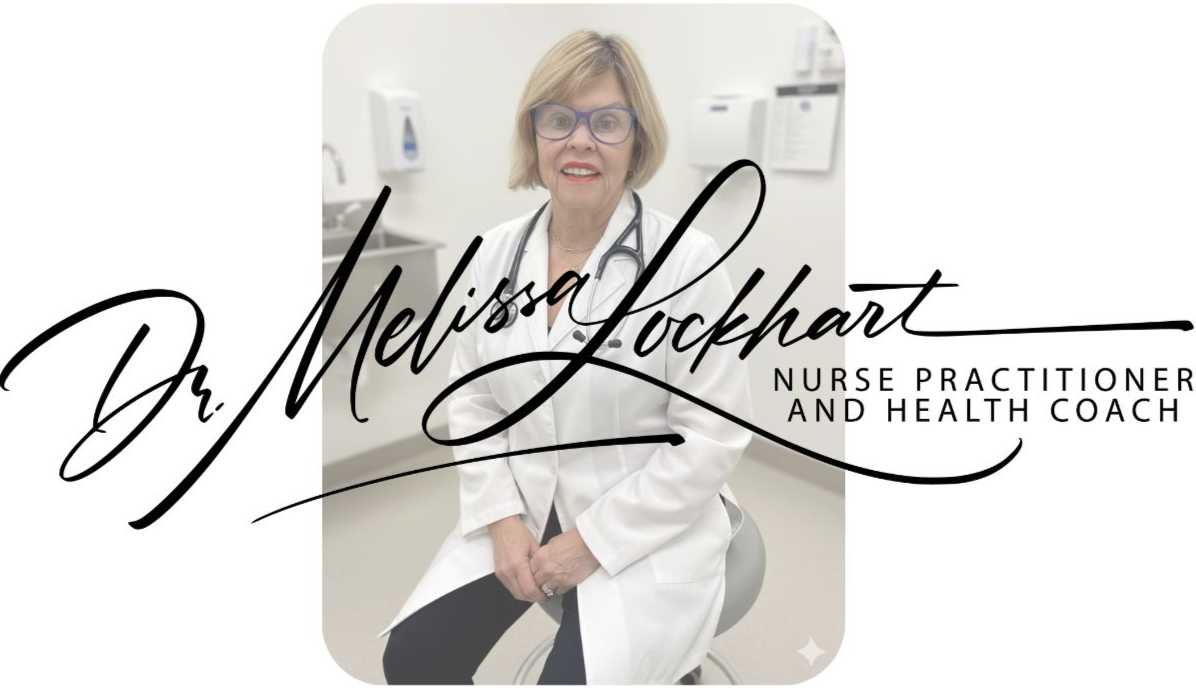
About Dr. Melissa Lockhart
Dr. Melissa Lockhart is a Board-Certified Nurse Practitioner and the founder of Powerful Wellness. With years of clinical experience, she is dedicated to empowering women over 35 to prioritize their health and well-being. Her mission is to provide evidence-based resources that help women navigate the complexities of midlife: from hormonal shifts to metabolic resets: so they can feel vibrant, confident, and powerful at any life stage.
Disclaimer: The information provided in this blog post is for educational and informational purposes only and is not intended as medical advice. Always seek the advice of your physician or other qualified health provider with any questions you may have regarding a medical condition or hormonal symptoms. Never disregard professional medical advice or delay in seeking it because of something you have read on this website.