
If you have spent the last few months wondering if you are "losing your edge," feeling inexplicably irritable, or waking up at 3:00 AM for no clear reason, you might have asked yourself: Am I just stressed, or is something else going on?
For millions of women, that "something else" is perimenopause. Yet, despite it being a universal biological transition, a groundbreaking new study reveals a staggering gap in our collective understanding.
New research published on July 14, 2026, in the journal Menopause (the official journal of The Menopause Society) found that one in three women (34%) aged 35 and older are completely unsure of what reproductive stage they are in. They don't know if their symptoms are "normal" aging, stress-related, or the beginning of the hormonal shift toward menopause.
At Powerful Wellness, we believe that informed empowerment is the first step toward health. You aren't "going crazy": you are navigating a complex biological evolution that deserves clear answers and evidence-based support.
The Data: A Massive Gap in Women’s Healthcare
The study, conducted in collaboration between Flo Health and the Mayo Clinic, analyzed data from over 17,000 women globally. The findings are a wake-up call for clinical care and patient education:
- The Peak of Uncertainty: Uncertainty was highest among women aged 40–44, with 42% reporting they had no idea if they were in perimenopause.
- The Paradox of Symptoms: The women experiencing the most severe symptoms were often the least likely to recognize them as perimenopause.
- The Knowledge Gap: 56% of women attributed their symptoms to other causes because their menstrual cycles were still regular.
This research confirms what many of us have felt: the medical community has historically waited for "hot flashes" and "skipped periods" to start the conversation. But the reality of perimenopause is far more nuanced, often beginning in the mid-30s with symptoms that feel more like "life" than "hormones."
Why Are We So Confused?
The confusion isn't your fault. For decades, perimenopause has been framed through a narrow lens. If you aren't having a hot flash in the middle of a board meeting, you're told you're "too young."
The study identified three main drivers for this uncertainty:
- Symptom Attribution (56%): We blame work stress for our anxiety, our kids for our fatigue, and our diet for our bloating.
- Lack of Education (28%): Most women aren't taught that perimenopause can last 7 to 10 years before your last period.
- Clinical Barriers (16%): Many women report feeling dismissed by providers when they bring up "vague" symptoms like brain fog or low mood.

Beyond Hot Flashes: What Perimenopause Actually Feels Like
While the media focuses on hot flashes, the Flo–Mayo Clinic data showed a very different reality for women over 35. The most common symptoms reported were:
- Exhaustion and Fatigue: Reported by 83% of participants.
- Irritability and Low Mood: Reported by over 77%.
- Sleep Problems: Affecting 76%.
- Digestive Issues: A surprising 76% struggled with new gut health challenges.
- Anxiety: 75% felt a new or heightened sense of unease.
Navigate these shifts by looking at the big picture. If your periods are still regular but your "internal thermostat" or "emotional baseline" has shifted, it’s time to look at your hormones and metabolism.
A National Turning Point for Women’s Health
This data doesn't exist in a vacuum. It is part of a massive, long-overdue shift in how we prioritize women's health. Earlier this year, the National Strategy to Close the Women’s Health Gap proposed a $20 billion investment to transform research for women.
We are also seeing incredible new research into chronotype eating: the study of how our internal body clocks dictate our metabolic health. New evidence suggests that for women over 35, when we eat is just as vital as what we eat, especially as our circadian rhythms shift during perimenopause.
Access these resources and realize that you are part of a movement. Your health is no longer a secondary priority; it is a national research focus.

Take Control: Your Path to Clarity
If the "1 in 3" statistic resonates with you, know that you don't have to wait for a clinical diagnosis to start feeling better. You can begin optimizing your health today through focused, metabolic, and hormonal support.
1. Identify Your Baseline
Stop guessing and start tracking. Use our 5 Pillars Blueprint to evaluate where your health stands across sleep, nutrition, movement, mindset, and supplementation.
2. Reset Your Metabolism
Perimenopause is often accompanied by metabolic shifts: what we call the "Midlife Reset." If your usual diet and exercise routines aren't working anymore, it’s because your body’s requirements have changed.
3. Join the Community
Stay informed and supported by joining our upcoming Metabolic Health Reset Bootcamp on September 11-12, 2026. This live event is specifically designed to provide the clarity that the clinical world is currently missing. Registration opens on September 1, and it is the perfect place to get your questions answered by experts who specialize in women over 35.

Let’s Clear the Confusion Together
The July 14 study is a "practice-changing" piece of data. It tells us that we must start these conversations earlier: in our mid-30s, not our late 40s.
If you’re feeling "off," trust your intuition. You deserve to feel vibrant, powerful, and in control of your journey.
Ready to get started?
- Access the 5 Pillars Blueprint to see where you can optimize your daily habits.
- Book a Free 15-Minute Discovery Call to discuss your symptoms and see if our Metabolic Reset Program is right for you.
- Mark your calendar: September 1st is when registration for our Metabolic Health Reset Bootcamp opens. Don't miss your chance to join Dr. Melissa and a community of empowered women.
About Dr. Melissa Lockhart
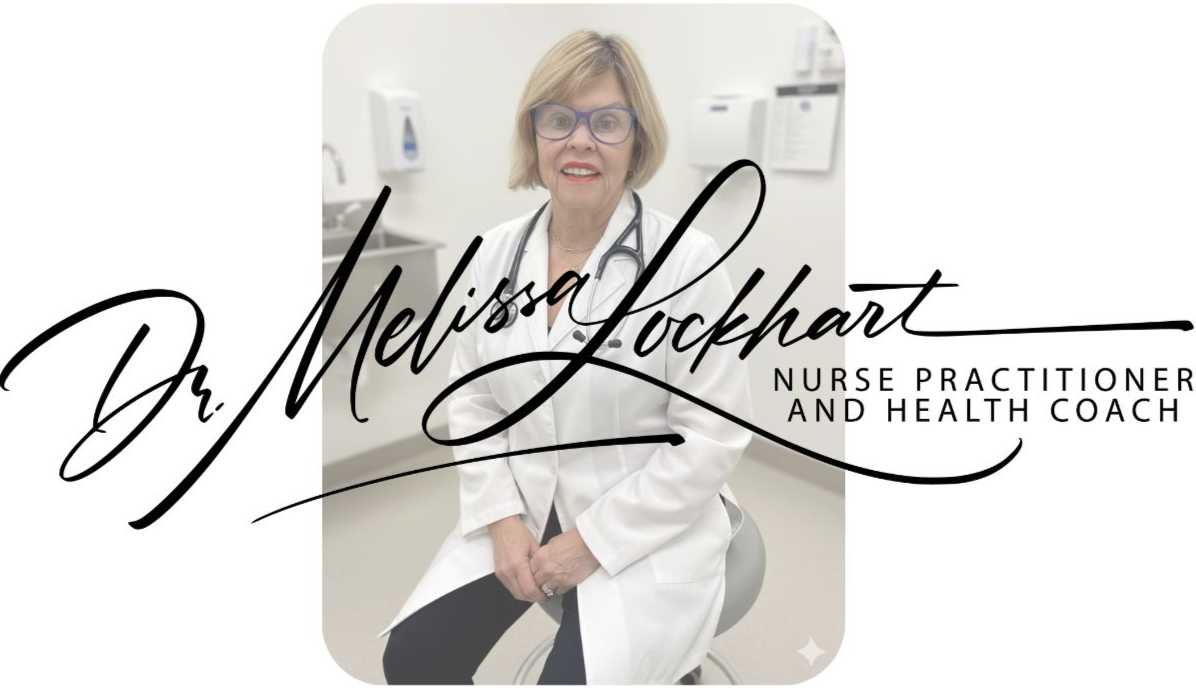
Dr. Melissa Lockhart is a Board-Certified Nurse Practitioner and the founder of Powerful Wellness. After years of seeing women’s health concerns dismissed or underserved, she dedicated her practice to providing evidence-based health resources, coaching, and digital programs specifically for women over 35. Her mission is to help women prioritize their own well-being so they can feel vibrant and confident at every life stage.
Disclaimer: This content is for educational and informational purposes only and does not constitute medical advice. Always consult with a qualified healthcare provider regarding a medical condition or treatment.