
Let’s talk about a hard truth that rarely gets the airtime it deserves: Heart disease is the #1 killer of women in the United States. It outstrips all forms of cancer combined. Yet, if you ask most women what they worry about most as they age, cancer almost always tops the list.
For decades, cardiovascular health has been framed as a "man's issue." Medicine studied male biology, defined heart attack symptoms by male norms, and left women to navigate their midlife health in the dark.
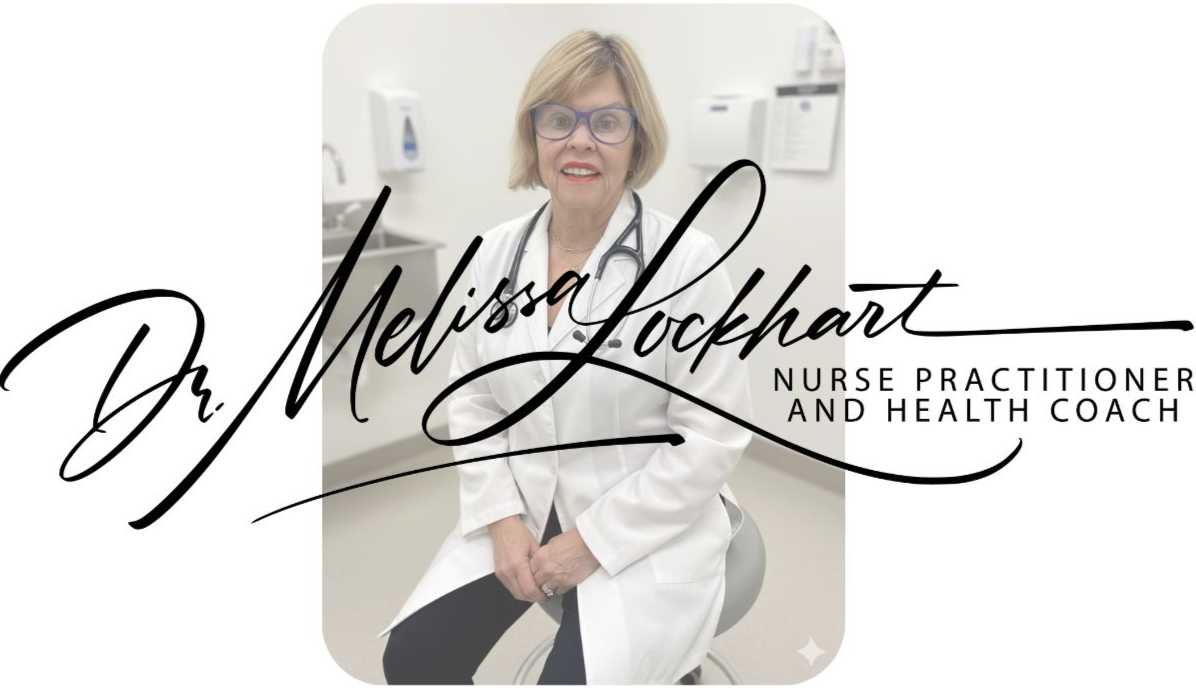
As a Nurse Practitioner and founder of Powerful Wellness, I hear it every single week in clinic. A woman in her late 40s comes in feeling exhausted, noticing her blood pressure creeping up, dealing with stubborn midsection weight gain, and experiencing heart palpitations or night sweats. When she brings these concerns to her primary doctor, too often she hears the same dismissive phrase: "It’s just aging. It’s just stress. Learn to live with it."
No. It is not "just aging." And you do not have to simply live with a silent acceleration in your cardiovascular risk.
Today, let's pull back the curtain on what actually happens to your heart during midlife, why the loss of estrogen is the missing link in the conversation, and how the "Window of Opportunity" can completely change your long-term health trajectory.
The Estrogen Advantage: Why Women Get a 7 to 10-Year Head Start
For most of our reproductive lives, women enjoy a profound biological shield. Statistically, women develop cardiovascular disease roughly 7 to 10 years later than men.
Why? Estrogen : specifically estradiol (E2).
We often think of estrogen exclusively as a reproductive hormone responsible for fertility and menstrual cycles. But estradiol is actually a master cardioprotective powerhouse. It acts directly on your cardiovascular system in several critical ways:
- Maintains a healthy lipid profile: Estrogen helps keep your HDL ("good") cholesterol high while keeping LDL ("bad") cholesterol in check.
- Promotes vasodilation: Through nitric oxide pathways, estrogen keeps your blood vessels relaxed, elastic, and capable of expanding and contracting smoothly as your blood flow demands change.
- Reduces arterial stiffness: It prevents your arteries from prematurely thickening and stiffening under pressure.
- Fights inflammation: Estrogen suppresses systemic inflammation that otherwise contributes to plaque buildup (atherosclerosis) in your coronary arteries.
- Protects heart muscle: It provides direct myocardial resilience against ischemic injury and oxidative stress.
In short, your body’s natural supply of estrogen has been quietly protecting your heart every single day.

What Happens When Estrogen Drops?
When you enter perimenopause and eventually transition into menopause, your ovaries gradually produce less and less estrogen. This hormonal shift doesn't just affect your periods, your mood, or your sleep; it triggers a profound metabolic cascade.
Without the protective buffering of estradiol, your cardiovascular risk profile shifts rapidly:
- Central Adiposity Rises: Fat storage shifts from the hips and thighs to the abdomen, increasing visceral fat: the dangerous type of fat that wraps around your internal organs and releases inflammatory cytokines.
- Lipids Turn Unfavorable: Triglycerides climb, HDL drops, and small dense LDL particles increase, creating an atherogenic lipid profile.
- Blood Pressure Climbs: As arterial stiffness increases and nitric oxide production declines, blood pressure frequently creeps upward.
- Insulin Resistance Sets In: Midlife hormonal shifts commonly impair glucose tolerance, paving the way for metabolic syndrome.
And here is the critical piece that many conventional exams miss: these metabolic changes happen concurrently with the menopause transition. They are not happening because you turned 60; they are happening because your estrogen declined.
To make matters worse, severe vasomotor symptoms: like frequent hot flashes and night sweats: are not merely uncomfortable nuisances. Large clinical studies have shown they are independent cardiovascular risk markers. If you are experiencing frequent, severe hot flashes, your body is signaling that your vascular and autonomic nervous systems are under significant strain.
The "Window of Opportunity": Why Timing Is Everything
This brings us to one of the most important concepts in modern women’s health: The Window of Opportunity.
Highlighted by landmark scientific statements from the American Heart Association (chaired by researchers like Dr. Samar El Khoudary), the medical community now recognizes that the years leading up to menopause and the first 10 years post-menopause (roughly ages 50 to 60) represent a critical therapeutic window.
During this window, your arteries are still responsive, and early intervention can yield massive preventive dividends.
If you wait until age 70 to start addressing cardiovascular risk that began accelerating at 48, you are playing catch-up against advanced vascular aging. But if you take control during your perimenopausal and early menopausal transition, you can alter your health trajectory for the next thirty years.

How to Seize Your Window: Actionable Steps for Midlife Heart Health
Empowerment starts with data and daily habits. You do not have to wait for a cardiac event to start protecting your heart. Here is how to take charge today:
1. Know Your Numbers (Beyond Just Cholesterol)
Ask your provider for a comprehensive metabolic and cardiovascular workup. Don't settle for a basic total cholesterol number. Look at your particle sizes (ApoB, Lp(a)), fasting insulin, hemoglobin A1c, high-sensitivity C-reactive protein (hs-CRP), and blood pressure trends over time.
2. Embrace the 150-Minute Rule
Consistent physical activity is non-negotiable. Aim for at least 150 minutes of moderate aerobic exercise per week, combined with resistance training. Muscle mass is an endocrine organ that improves insulin sensitivity and protects metabolic health. Explore our guided resources like our Perimenopause Essentials or check out our Wellness Store for structured self-paced tools.
3. Clean Up Your Cellular Foundations
Metabolic health starts in your kitchen and your daily routines. Focus on whole, nutrient-dense foods, crowd out inflammatory processed vegetable oils and excess sugars, and prioritize deep, restorative sleep. (If sleep is your bottleneck, explore our Sweet Dreams Sleep Improvement Guide).
4. Evaluate Menopausal Hormone Therapy (MHT) with an Expert
For many healthy women under 60 or within 10 years of menopause, Menopausal Hormone Therapy (when initiated correctly with transdermal estrogen and micronized progesterone) can provide immense symptom relief while supporting metabolic and vascular health. MHT is not a blanket recommendation for everyone, but for appropriate candidates, timing is everything.
If you want personalized guidance on where you stand and whether hormone therapy or metabolic reset programs are right for you, book a Free Discovery Call or schedule a Free 15-Minute Call for the Metabolic Reset Program (Including Medications) with our team.
Take Control of Your Health Today
You have spent years caring for children, partners, aging parents, and demanding careers. Now it is time to turn that care toward yourself. Your midlife transition is not a decline: it is your powerful second act.
Navigate this evolution with informed confidence, claim your proactive health data, and let’s keep your heart vibrant, strong, and beating fiercely for decades to come.

Disclaimer: This information is for educational and informational purposes only and is not intended as medical diagnosis, treatment, or advice. Always consult with a qualified healthcare professional regarding any medical condition or before making changes to your health, supplement, or hormone therapy routine.