

Your supplement routine should support your health: not overwhelm it.
After 35, your nutritional needs can shift as metabolism, muscle mass, bone health, stress, sleep, and hormones evolve. That does not mean you need a cabinet full of pills. It means you may benefit from identifying specific gaps and filling them strategically.
Start with food, sleep, movement, hydration, and regular medical care. Then use supplements when they make sense for your diet, lab results, symptoms, life stage, and health goals.
Here are five options worth discussing with your healthcare professional.
1. Start With Vitamin D3 + K2
Vitamin D deserves the top spot because it supports several systems women want to protect through midlife and beyond.
Your body uses vitamin D to help absorb calcium and maintain strong bones. It also plays a role in normal muscle function and immune function. Low levels are common, particularly among people with limited sun exposure, darker skin, obesity, certain digestive conditions, or lifestyles that keep them indoors.
Some women also notice low energy or mood changes when their vitamin D levels are low. However, vitamin D is not a universal treatment for fatigue, depression, or every midlife symptom. Testing and a broader health evaluation matter.
Ask your clinician whether a 25-hydroxyvitamin D blood test is appropriate for you. Testing can help you avoid guessing and taking more than you need.
Vitamin D3 is commonly used because it raises blood vitamin D levels effectively. When choosing a vitamin D supplement, D3 paired with K2 is often a sensible option because vitamin D helps your body absorb calcium, while vitamin K plays a role in directing calcium into bone. That does not mean every woman automatically needs the combination, but if you are taking vitamin D, it is reasonable to consider K2 as part of that conversation. Discuss the combination with your clinician, especially if you take warfarin or another medication that affects clotting.
The recommended dietary allowance for most adults through age 70 is 600 IU daily, increasing to 800 IU after age 70. Your individual needs may differ. Avoid high-dose vitamin D unless a qualified clinician recommends it, because excessive amounts can cause harm.
Make it practical: Check your vitamin D status when appropriate, review your total intake from food and supplements, and talk with your clinician about whether a D3 + K2 product fits your needs.
2. Use Magnesium Glycinate for Sleep, Stress, and Muscle Support
Magnesium helps your body regulate muscle and nerve function, blood sugar, blood pressure, and energy production. It is found in foods such as pumpkin seeds, almonds, beans, lentils, whole grains, spinach, and other leafy greens.
Many women look to magnesium for better sleep, stress support, or relief from muscle cramps. Some people find it helpful, but the evidence is not equally strong for every use. Magnesium should support a healthy routine: not replace evaluation for persistent insomnia, severe stress, frequent cramps, or other symptoms.
Consider magnesium if your diet is consistently low in magnesium-rich foods or if your clinician identifies a reason you may need more. Certain medications and health conditions can affect magnesium status.
Supplement forms also differ. Magnesium glycinate is often preferred for general supplementation because it tends to be gentler on the stomach, while magnesium citrate may have a more noticeable laxative effect. Glycinate is often the form women choose when the goal is sleep support, stress support, or muscle-cramp support.
Keep your total intake in mind. Too much supplemental magnesium can cause diarrhea and abdominal discomfort. People with kidney disease need particular caution because the body may not clear magnesium normally.
Make it practical: Add leafy greens, beans, nuts, seeds, and whole grains first. Then ask your clinician whether magnesium glycinate could complement your diet and sleep routine.
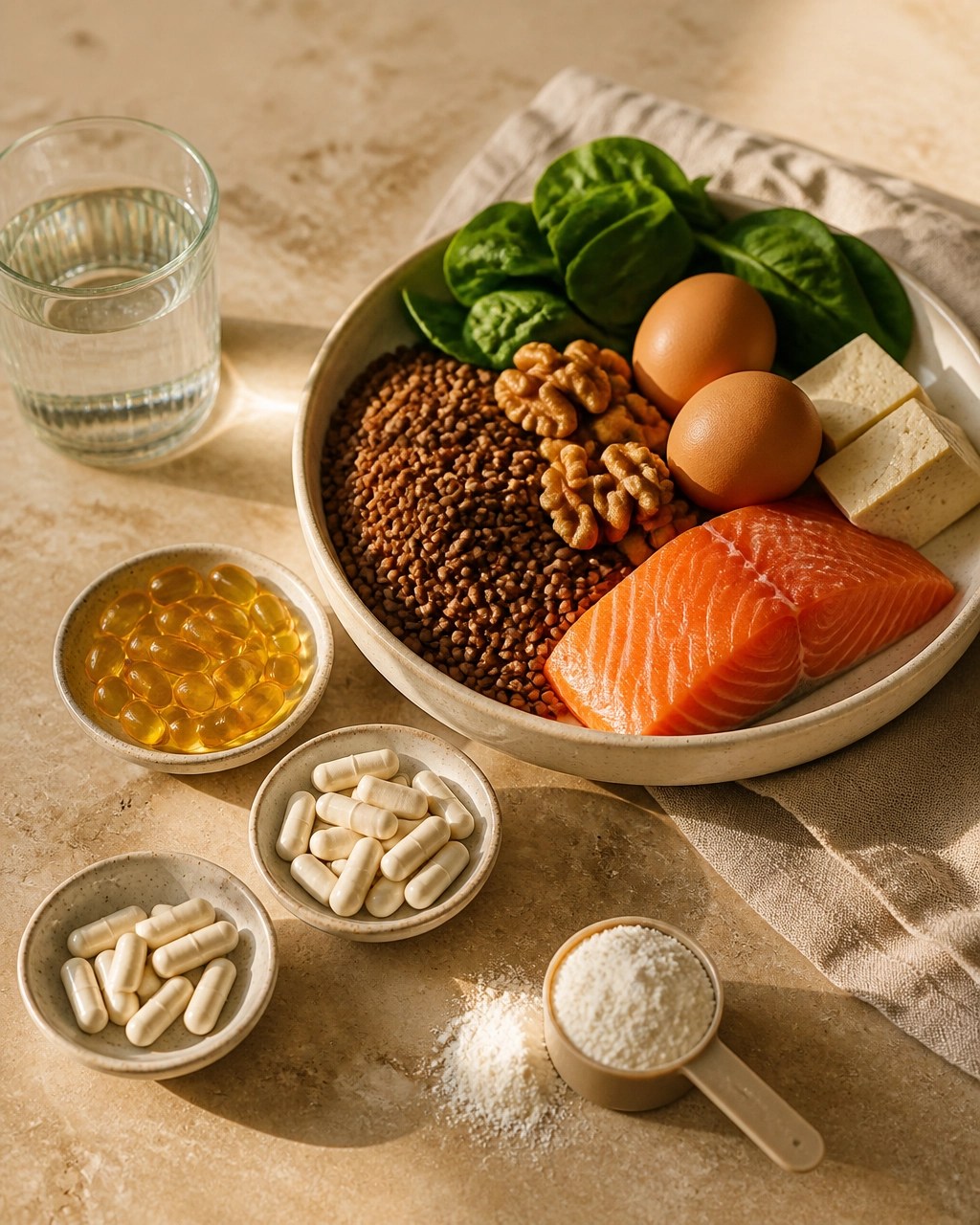
3. Consider Creatine for Muscle, Bone, and Brain Support
Creatine is best known for helping muscles produce energy during short bursts of activity. For women in midlife, that makes it relevant to strength training, muscle maintenance, and physical resilience.
Muscle naturally becomes more important as we age. Building and preserving it can support balance, daily function, metabolic health, and confidence. Resistance training remains the foundation. Creatine may add support, particularly when paired with consistent strength exercise.
Emerging research also explores creatine’s potential cognitive and brain-energy benefits, including possible benefits for women over 40 during periods of sleep loss, stress, hormonal transition, or increased mental demand. This research is promising but still developing. Creatine is not a proven treatment for brain fog, depression, or hormonal symptoms.
A common research dose is 3–5 grams of creatine monohydrate daily, but your appropriate plan depends on your health history. Choose a plain, third-party-tested product and discuss it with your clinician if you have kidney disease, take multiple medications, or have other significant medical conditions.
Expect possible water-weight changes in some people. That does not necessarily mean fat gain, but it is helpful to know before you begin.
Make it practical: Build a strength routine first. Then ask whether creatine fits your goals, health history, and current medications.
4. Use Iron Only If You Need It
Iron can be an important supplement for some women, but it is one of the clearest examples of why you should not supplement blindly.
Low iron stores can contribute to fatigue, shortness of breath, reduced exercise tolerance, headaches, restless legs, and feeling run down. Women with heavy periods may be at higher risk, and some women with low ferritin feel persistently low on energy even before full anemia develops.
That said, iron is not something to add “just in case.” Too much iron can be harmful, and fatigue has many possible causes. Before supplementing, ask your clinician whether testing makes sense. Ferritin, iron studies, and a complete blood count may be part of that conversation depending on your symptoms and health history.
If your levels are low, your clinician can help you choose the right type, dose, and schedule. If your levels are normal, iron is usually not the answer.
Make it practical: If you struggle with low energy, have heavy periods, or have been told your ferritin runs low, ask about testing before you buy an iron supplement.

5. Use a Women’s Multivitamin as a Sensible Foundation
A women’s multivitamin can be a practical foundation when your diet is inconsistent, your appetite is low, your schedule is chaotic, or you simply want a basic nutritional backstop.
It should not replace meals, and it should not create a false sense that more is always better. In most cases, a balanced multivitamin works best when it fills small gaps rather than delivering mega-doses of nutrients you may not need.
Choose a product that is third-party tested and formulated for women, but stay cautious about blends that promise energy, detox, metabolism, or hormone miracles. Those claims often outpace the evidence.
A multivitamin will not fix poor sleep, chronic stress, low protein intake, or an underlying medical issue. It is a foundation: not a shortcut.
Make it practical: If you want one “baseline” product, choose a third-party-tested women’s multivitamin with sensible amounts: not a mega-dose formula with flashy promises.
Choose Supplements With More Confidence
Follow these steps before starting a new product:
- Review your diet first. Identify what you regularly eat and where gaps may exist.
- Check your medications and health conditions. Supplements can interact with prescriptions and affect lab results.
- Ask about testing. Vitamin D, ferritin, iron, and other labs may be useful in the right context: but testing is not automatically needed for everyone.
- Choose third-party-tested brands. Look for seals or verification from organizations such as NSF, USP, ConsumerLab, or Informed Choice. Certification does not guarantee that a product is right for you, but it can provide additional quality information.
- Add one product at a time. This makes it easier to identify benefits or side effects.
- Reassess regularly. Your needs can change with menopause, diet changes, medications, pregnancy potential, training, and new health conditions.

Make Your Next Health Step Informed
Supplements can be valuable tools, but they are not shortcuts. Protect your bones with resistance and weight-bearing movement. Support your metabolism with balanced meals and adequate protein. Strengthen your energy foundation with consistent sleep and stress care. Use your healthcare visits to review symptoms, medications, screenings, and appropriate labs.
Then personalize your supplement plan instead of copying someone else’s routine.
Ready to take a practical next step with your health? Join the Metabolic Health Reset Bootcamp on Saturday, September 12, 2026. Registration is open now, and the investment is $37.
Reserve your spot and start your reset at www.midliferesets.com
Medical Disclaimer
This article is for educational purposes only and is not medical advice, diagnosis, or treatment. Supplements may interact with medications or may not be appropriate for people with certain medical conditions. Speak with your qualified healthcare professional before starting, stopping, or changing any supplement, diet, exercise program, or treatment. Do not use this information to delay or replace medical care.
Sources and Further Reading
- NIH Office of Dietary Supplements: Vitamin D
- NIH Office of Dietary Supplements: Magnesium
- NIH Office of Dietary Supplements: Iron
- NIH Office of Dietary Supplements: Dietary Supplements for Older Adults
- Office on Women’s Health: Vitamins and Minerals for Women
- Powerful Wellness: The Five Pillars of Wellness
- Powerful Wellness: Wellness Store