Let’s be honest: when you hear the words "high protein," you probably picture a 22-year-old gym bro named Chad chugging a neon-blue shake while grunting at a squat rack. It’s a vibe, sure, but it’s probably not your vibe.
If you’re a woman over 35, you’ve likely spent the last decade (or two) hearing that "less is more." Eat less, weigh less, take up less space. But here in 2026, the science has finally caught up to what our bodies have been screaming: the old rules are officially broken.
Navigate your way through the modern wellness noise, and you’ll find one non-negotiable truth: if you want to feel vibrant, powerful, and actually in control of your metabolism after 35, you need to stop fearing protein and start prioritizing it.
The Great Protein Paradox: Why 0.8g Just Doesn’t Cut It
For years, the "Standard Recommended Daily Allowance" (RDA) for protein has been a measly 0.8 grams per kilogram of body weight. That might be enough to keep you from getting scurvy or falling apart entirely, but it’s nowhere near what you need to thrive.
As we hit our late 30s and move into our 40s and 50s, our bodies undergo a shift called anabolic resistance. Essentially, our muscles become a little "hard of hearing." In our 20s, a tiny bit of protein was enough to signal our bodies to maintain muscle. Now? We have to shout.
Stay informed: research now suggests that for women in midlife, aiming for 1.2 to 1.6 grams of protein per kilogram is the new gold standard for maintaining lean mass and metabolic health.
Muscle: Your Metabolism’s Secret Weapon
Why are we so obsessed with muscle? It’s not about getting "bulky" (trust us, that doesn't happen by accident). It's about your Basal Metabolic Rate (BMR).
Muscle is metabolically active tissue. It’s the engine that burns calories even while you’re binge-watching your favorite show or sleeping. Starting around age 30, we naturally begin to lose 1-2% of our muscle mass every single year. By the time you hit 50, that’s a lot of "engine" power gone.
Access the benefits of a higher protein intake to put the brakes on that loss. When you give your body the building blocks it needs, you aren't just "toning up", you are protecting your future self from frailty, metabolic slowdown, and the dreaded "middle-age spread."

Blood Sugar, Satiety, and the "Hangry" Factor
Have you ever had a salad for lunch and felt like you could eat a whole loaf of bread by 3:00 PM? That’s because your meal lacked the staying power of protein.
Protein is the most satiating macronutrient. It triggers the release of hormones that tell your brain, "Hey, we're good here. Put the crackers down." Beyond just keeping you full, protein acts as a buffer for your blood sugar. When you pair protein with your carbs, you avoid those jagged insulin spikes that lead to energy crashes and fat storage.
At Powerful Wellness, we focus on these practical, high-quality shifts that make a real difference in how you feel daily. Whether you're exploring our 5 Pillars of Wellness or looking for a one-on-one health review, the goal is the same: informed empowerment.
Professional Insight: The Dr. Lockhart Perspective
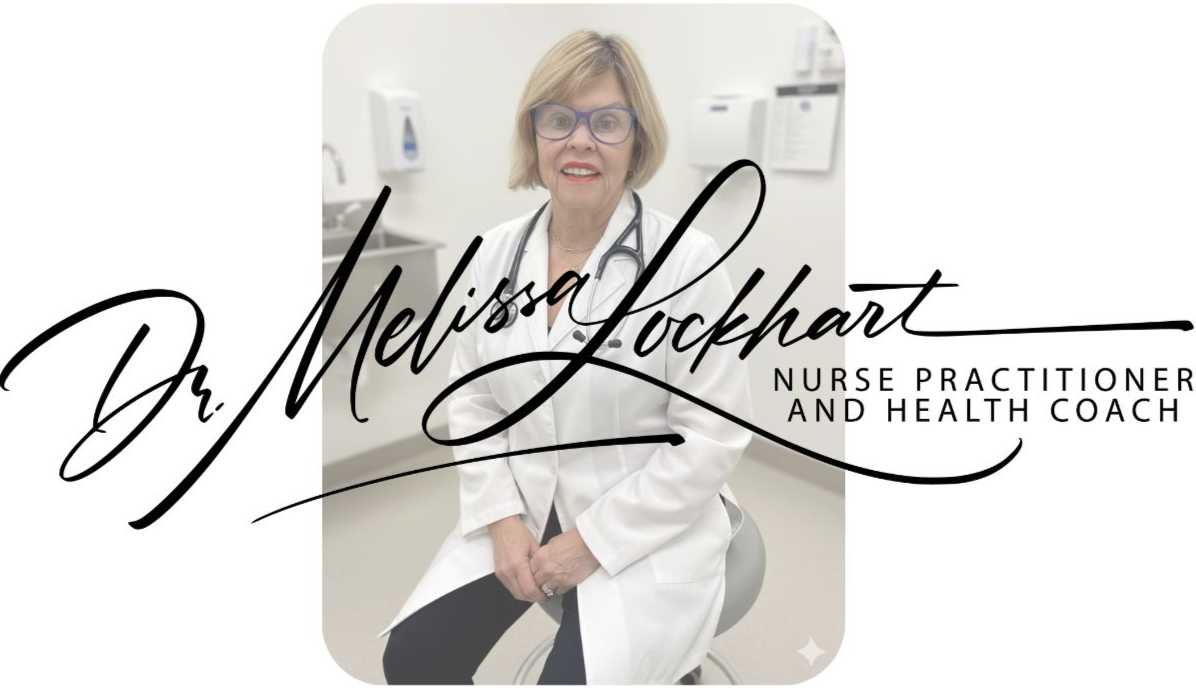
Our founder, Melissa (Dr. Lockhart, NP), isn't just a voice in the wellness space: she’s a leader in healthcare innovation. Since 2024, she has served as a judge for the Columbia School of Business HITLAB, working alongside esteemed professionals like Stan Kachnowski, PhD, MBA.
This level of professional context is why our recommendations aren't based on "TikTok trends." They are grounded in clinical expertise and a deep understanding of how the female body evolves. When we talk about protein, we aren't just talking about "macros": we're talking about the biochemical foundation of your longevity.

How to Get Your Protein (Without Living on Shakes)
"But Penny," you might say, "how am I supposed to eat 120 grams of protein a day?"
It’s easier than you think when you stop viewing protein as an afterthought. Let these quick tips guide you:
- The 30g Rule: Aim for at least 30 grams of protein at every main meal. This is the "threshold" required to trigger muscle protein synthesis in women over 35.
- Front-load Your Day: Most people eat 5g of protein at breakfast and 60g at dinner. Flip the script. Start your morning with eggs, Greek yogurt, or a high-quality protein boost to set your metabolism on the right track early.
- Keep it Simple: Rotisserie chickens, canned tuna, lupini beans, and hemp seeds are your best friends for quick, high-protein additions.
For more deep dives into specific needs, check out our Perimenopause Essentials or our Freebie: 12 Ways to Lose Weight.
Are You Ready for a Reset?
Understanding protein is just one piece of the puzzle. If you’ve spent years caring for everyone else and you’re ready to finally prioritize your own vibrancy, it’s time for a change.
Mark your calendars for June 15, 2026.
We are officially launching the Midlife Reset: a comprehensive program designed specifically for women who are ready to reclaim their health, balance their hormones, and feel like the most powerful version of themselves.
Find out fast how you can join the movement at www.midliferesets.com. This isn't just another "diet"; it’s a total evolution of how you live and age.

Final Thoughts: You Are Worth the Investment
In 2026, we don't have time for outdated advice that keeps us feeling small and tired. High protein isn't just a trend; it's a tool for your empowerment. By fueling your body correctly, you are choosing to stay in the game: vibrant, strong, and in control.
Get My Score: Not sure where to start? Access a free 15-minute call to talk about our metabolic reset programs and how we can support your journey.
Let’s make this the year you finally feel as powerful as you truly are.
Disclaimer: The information provided in this blog is for educational and informational purposes only and is not intended as medical advice. Always consult with a qualified healthcare professional before making significant changes to your diet or exercise routine, especially if you have pre-existing health conditions.