{"summary":"Inclusivity in wellness for women over 40 is critical because midlife brings distinct hormonal, physical, emotional, and social changes that generic, one‑size‑fits‑all wellness often ignores.[1][4][7] When these realities are acknowledged and supported, a “midlife reset” can become a powerful turning point that improves long‑term health, independence, work performance, and overall quality of life.[4][7][8] \n\n—\n\n### Why inclusivity in wellness matters, especially after 40\n\nInclusive wellness means programs, services, and messages that:\n\n- Recognize different ages, bodies, cultures, health statuses, caregiving roles, and life stages \n- Tailor support to those differences instead of expecting everyone to fit one model\n\nResearch and workplace data show that tailored, inclusive wellness programs:\n\n- Increase engagement, feelings of being valued, and trust, because people see their realities reflected in the support offered.[2][5] \n- Improve health outcomes by accounting for age, lifestyle, and pre‑existing conditions, rather than using a generic plan.[1][3] \n- Reduce health disparities when women are better represented in research, leadership, and decision‑making, which makes care more relevant to their needs.[1][3] \n\nFor women, specifically, inclusive approaches that respect anatomical and risk differences lead to more effective, respectful care and better outcomes.[3]\n\n—\n\n### The unique midlife context for women 40+\n\nThe 40s and 50s are described as a pivotal time when women often face peak career demands, changing family roles, and the onset of midlife health transitions.[4] Common features include:\n\n- Perimenopause and menopause: Hot flashes, sleep disruption, mood shifts, weight changes, and other symptoms that affect daily life and work. Inclusive workplace benefits that address menopause directly are linked to better productivity, retention, and a more inclusive culture.[6] \n- Rising risk of chronic disease: In the 40s, routine preventive exams (annual physical, mammogram starting at 40, colorectal screening from 45) become especially important.[7] \n- Bone and muscle loss: Women over 50 face increased osteoporosis and fracture risk; strength and balance training help maintain independence and reduce falls.[1][7] \n- High role load: Many women in midlife juggle work, caregiving for children and aging parents, and household responsibilities, raising stress and burnout risk.[4][5] \n\nStandard wellness narratives often focus on youth, weight loss, or performance, which can make midlife women feel invisible or “outside” the target audience. An inclusive frame deliberately centers these midlife realities instead of treating them as side issues.\n\n—\n\n### What inclusive wellness looks like for women over 40\n\nAn inclusive wellness strategy for this group typically:\n\n- Integrates life-stage–specific care \n – Encourages regular preventive visits and age‑appropriate screenings in the 40s and beyond.[1][4][7] \n – Addresses perimenopause and menopause symptoms as a standard part of care and benefits, not as a niche concern.[6] \n\n- Tailors programs to diverse needs and preferences \n – Recognizes that women over 40 may live with multiple chronic conditions and need support for disease self‑management and realistic activity options.[9] \n – Provides options that respect different cultures, body types, and abilities rather than assuming one ideal lifestyle.[2][5] \n\n- Includes mental and emotional health \n – Supports stress management and work–life balance during a period of high responsibility.[4] \n – Normalizes seeking help for mood changes, anxiety, or burnout, which are common in midlife transitions.[3][8] \n\n- Emphasizes social connection and purpose \n – Encourages community, friendships, and meaningful activities, which are key for well‑being as women age.[1][7][8] \n\nSuch programs help women feel seen, respected, and empowered, which increases participation and effectiveness.[2][5]\n\n—\n\n### “Midlife reset” benefits for women over 40\n\n“Midlife reset” is not a medical term, but it aligns with what many health organizations describe: using the 40s and 50s as a key moment to reassess habits, health, and priorities. The evidence around life‑stage–based care and prevention clarifies the benefits of doing this.[1][4][7][8]\n\n1. Physical health and longevity\n\nA midlife reset that focuses on prevention and lifestyle can:\n\n- Improve cardiovascular and metabolic health by addressing blood pressure, cholesterol, weight, and glucose earlier, lowering the risk of later disease.[1][4][7][8] \n- Reduce osteoporosis and fracture risk through strength training, balance work, and nutrition that supports bone and muscle.[1][7] \n- Delay or prevent complications of chronic conditions via wellness programs that emphasize healthy behaviors and self‑management, especially in aging adults.[9] \n\n2. Mental health, resilience, and sense of control\n\nReframing midlife as a time to reset, rather than purely a decline, can:\n\n- Enhance emotional well‑being by legitimizing self‑care alongside caregiving and work roles.[4][8] \n- Encourage women to seek support for stress, mood changes, or sleep issues, which is associated with better overall health outcomes.[3] \n- Increase self‑efficacy: women feel more capable of navigating change when they have information, options, and supportive environments.[1][3] \n\n3. Independence and quality of life in later years\n\nFocusing on wellness in midlife supports:\n\n- Maintaining functional ability (strength, balance, mobility) and cognitive function, which preserves independence as women age.[1][7][8] \n- Social connection and purposeful activities, which are linked to healthier aging and better quality of life.[1][7][8] \n\n4. Work, career, and financial stability\n\nWhen organizations support women’s midlife health through inclusive benefits:\n\n- Productivity, engagement, and morale increase; women are better able to manage symptoms and responsibilities without burning out.[4][5][6][10] \n- Retention of experienced female talent improves, especially when menopause, caregiving, and chronic health needs are acknowledged and supported.[5][6][10] \n- Healthcare costs may decrease over time due to earlier detection and healthier behaviors promoted by well‑designed wellness initiatives.[4][5] \n\n—\n\n### How inclusivity makes the “reset” possible\n\nThe benefits of a midlife reset are only fully realized when women have access to inclusive, responsive wellness environments:\n\n- Inclusive programs normalize midlife transitions (like perimenopause) instead of stigmatizing them, encouraging women to seek help and use resources.[3][6] \n- Tailored initiatives for women’s health at every life stage make it easier to connect personal goals with the right screenings, supports, and lifestyle changes.[1][4] \n- Representation in research and leadership ensures that the guidance women receive in midlife is based on evidence that actually reflects their bodies and experiences.[1][3] \n\nIn short, inclusivity in wellness for women over 40 turns midlife from a period of silent struggle into a strategic reset point: one that can extend healthy years, deepen well‑being, and strengthen families, workplaces, and communities.[4][5][8]
Our approach
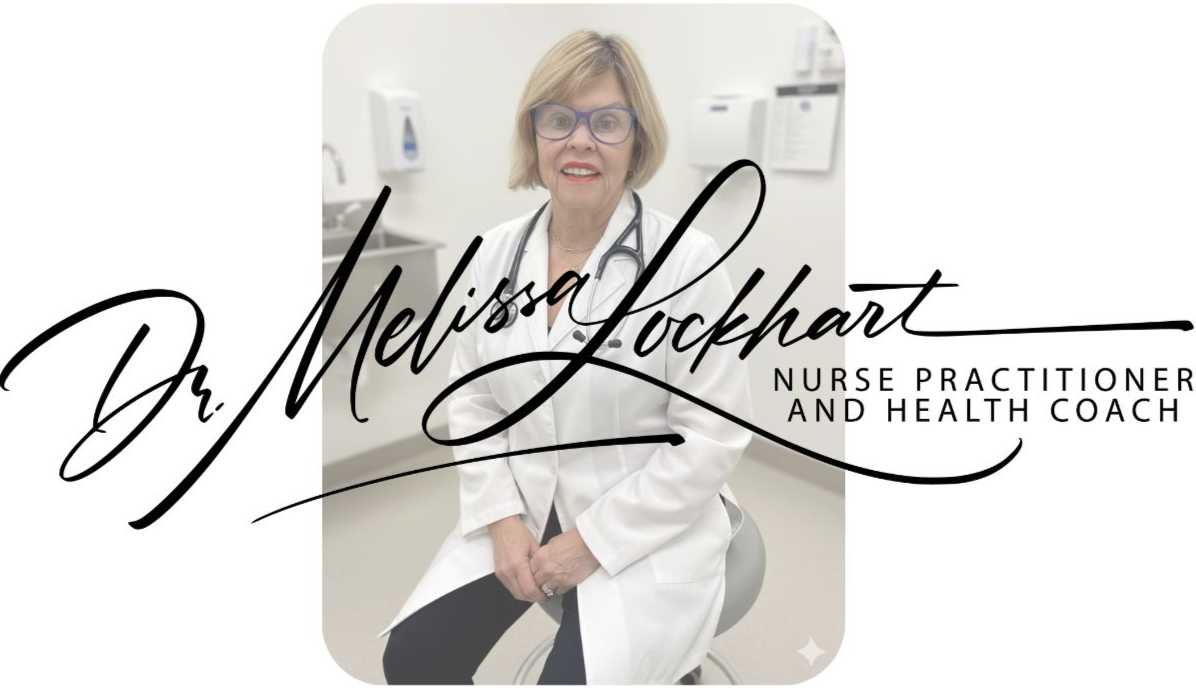
At Powerful Wellness, we believe women deserve guidance that is both inclusive and credible. Our work is designed to help women feel more informed, more supported, and more powerful as they move through midlife. Melissa Lockhart’s background as a Nurse Practitioner, combined with her role as a judge for the Columbia School of Business HITLAB since 2024 alongside Stan Kachnowski, PhD, MBA, reflects our commitment to grounding wellness education in credible expertise, emerging research, and real‑world relevance.
That is the heart of the Mid Life Reset, launching June 15: a practical, empowering next step for women who are ready to stop feeling overlooked and start building a more vibrant, sustainable path forward. Sign-ups are open June 10–13 and close on June 13. When you sign up during that window, you will receive an invitation to the VIP Sign Up Party on June 15, and the Reset begins June 15 at 9:00 AM. Founding Members can join for a $27 monthly fee, and that rate is locked in for life as long as membership remains active. Ready to find out fast if it is right for you? Visit the landing page here: https://www.midliferesets.com
Disclaimer: This content is for educational purposes only and does not replace personalized medical advice, diagnosis, or treatment. Always consult your licensed healthcare professional regarding your individual health needs.
","sources":["https://www.raveco.com/blog/women-s-wellness-tips-for-every-life-stage","https://www.plusoneworkplacewellbeing.com/diversity-and-inclusion-in-wellness-programs/","https://hunterhealth.org/the-importance-of-womens-health/","https://www.anthembluecross.com/employer/the-benefits-guide/supporting-womens-health-and-wellness-across-every-stage","https://corehealth.global/blog/creating-corporate-wellness-programs-for-women/","https://www.arcfertility.com/embracing-menopause-for-workplace-productivity-and-inclusivity/","https://www.trihealth.com/blogs/womens-health/embracing-health-at-every-age","https://communihealth.org/womens-health-building-a-foundation-for-lifelong-wellness/","https://pmc.ncbi.nlm.nih.gov/articles/PMC7041904/","https://cogentinfo.com/resources/wellness-at-work-how-employers-in-the-us-can-champion-womens-health"]}