
Summer is here, and while we all love the longer days and the chance to finally slow down a little, the heat can be a sneaky thief of our energy. For those of us navigating the midlife transition: whether you’re in the thick of perimenopause or fully embracing your 50s: the way our bodies handle heat and hydration changes.
If you’ve found yourself feeling extra "zipped" lately, or if your brain fog seems to have a summer-edition thickness, you aren’t alone. We often spend so much time making sure everyone else has their sunscreen on and their water bottles filled that we forget to check in on our own thirst.
Let’s change that. Staying hydrated isn't just about drinking water; it's about empowering your body to feel vibrant, focused, and in control through the hottest months of the year.
The Invisible Thirst: Why Midlife Changes the Rules
As we move through our 30s, 40s, and beyond, our body’s ability to signal thirst can actually start to decline. We might not feel thirsty until we’re already significantly dehydrated. Additionally, the hormonal shifts of perimenopause can affect how our bodies regulate temperature and fluid balance.
If you’re dealing with night sweats or hot flashes, you’re losing more fluid than you might realize. This makes hydration a non-negotiable pillar of your wellness routine.
How Much Do You Actually Need?
Forget the old "8 glasses a day" rule: it’s a bit more nuanced for us. Most healthy women in midlife need about 2.7 liters (approximately 91 ounces or 11 cups) of total fluid per day.
Now, before you panic about carrying a gallon jug everywhere, remember that about 20% of that comes from the food you eat! Aiming for roughly 9 cups of water or hydrating beverages is a solid daily target to keep your metabolism humming and your energy levels stable.
Is it Perimenopause or Just Dehydration?
Here is a secret that many midlife women miss: Dehydration is a master mimic.
Because our hormones are already in flux, we often blame everything on perimenopause. While hormones are certainly a factor, chronic low-level dehydration can make those symptoms feel ten times worse. Check out how these two often overlap:
- Brain Fog: When your brain is even 1-2% dehydrated, cognitive function drops. If you’re struggling to find your keys or finish a sentence, try drinking a large glass of water before you assume it’s "just menopause."
- Fatigue: Dehydration causes your blood volume to drop, meaning your heart has to work harder to pump oxygen to your brain and muscles. This leads to that "heavy" feeling of exhaustion.
- Headaches: One of the most common signs of a fluid deficit is a nagging headache.
- Irritability: Feeling short-tempered? Your brain might just be thirsty.
Navigate your summer with more clarity by prioritizing your fluid intake first. It’s one of the simplest ways to reset your metabolism and clear the mental clouds.

Hydration Hacks for the Busy Woman
Let’s be real: between work, family, and a million other responsibilities, drinking 9 cups of water can feel like another chore. Let’s make it easier.
- Eat Your Water: Focus on water-rich foods. Watermelon, cucumbers, strawberries, and oranges are essentially delicious, edible hydration.
- Add Electrolytes: If you’re sweating (thanks to the sun or a hot flash), plain water might not be enough. Add a pinch of high-quality sea salt and a squeeze of lemon to your water, or use a clean electrolyte powder to help your cells actually absorb the fluid.
- Front-Load Your Day: Drink 16 ounces of water as soon as you wake up. It jumpstarts your metabolism and gives you a head start before the day gets busy.
- Use Your Urine as a Guide: This is the most honest feedback you’ll get! Aim for a pale, straw-colored yellow. If it’s dark like apple juice, it’s time to double down on your sips.
Access our Perimenopause Essentials for more deep-dives into how to manage these symptoms with ease.
Summer Safety: Spotting the Warning Signs
While we want summer to be fun, we have to stay informed about the risks of high temperatures. There is a big difference between feeling "a bit overheated" and experiencing a medical emergency like heat stroke.
Heat Exhaustion (The Warning Phase)
Think of this as your body’s "check engine" light. You might feel:
- Heavy sweating and a rapid pulse.
- Dizziness or lightheadedness.
- Muscle cramps (often in the legs or abdomen).
- Nausea or a mild headache.
What to do: Move to the shade or an air-conditioned room immediately. Sip water or an electrolyte drink, and apply cool cloths to your skin.

Heat Stroke (The Emergency Phase)
Heat stroke is a medical emergency. It happens when the body can no longer regulate its own temperature. If you see these signs, call 911 immediately:
- Confusion or disorientation: This is a major red flag. If someone seems "out of it" or is slurring their speech in the heat, act fast.
- High Body Temp: A core temperature of 104°F (40°C) or higher.
- Lack of Sweating: Sometimes the skin becomes hot and bone-dry, though some people may still be damp.
- Nausea/Vomiting: Severe stomach upset.
Stay vigilant and look out for your friends. If you’re out for a walk or at a summer gathering, keep an eye on each other.

Take Control of Your Midlife Reset
Summer is the perfect season for a fresh start. On June 15th, we officially launched our Midlife Reset, a program specifically designed to help women over 35 and 40 reclaim their vitality, balance their hormones, and feel powerful in their own skin again.
Whether you’re looking for a structured plan or just need a little extra support to navigate this life stage, we are here to guide you. You've spent years caring for everyone else: now it’s your turn to be the priority.
Find Out Fast if our metabolic and hormonal support programs are right for you. Schedule your Free 15-Minute Call today to discuss our weight loss and wellness options.
Let this be the summer you feel most like yourself: vibrant, hydrated, and completely in control.
About the Author
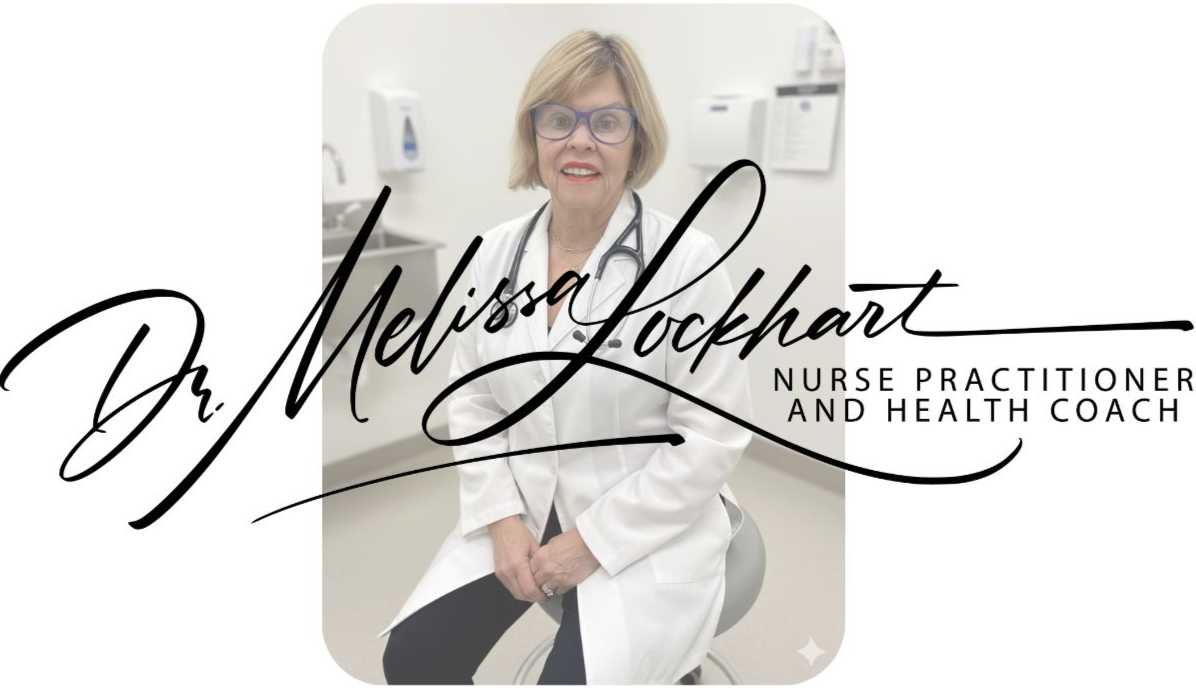
Melissa (Dr. Lockhart) is a dedicated Nurse Practitioner and the founder of Powerful Wellness. With years of experience in women’s health, she is passionate about helping women over 35 navigate the transitions of midlife with confidence and scientific backing.
Disclaimer: The information provided in this blog post is for educational and informational purposes only and is not intended as medical advice. Always consult with a qualified healthcare professional before making changes to your diet, exercise routine, or health management, especially if you have underlying medical conditions or are taking medications. If you suspect you or someone else is experiencing heat stroke, seek emergency medical attention immediately.