
For millions of women, the journey to an endometriosis diagnosis feels like a decade-long marathon run in the dark. You know something is wrong. You feel the debilitating pain, the crushing fatigue, and the monthly disruption that ripples through your work, your family, and your spirit. Yet, for far too long, the answer from the medical community has been a frustrating "let’s wait and see," or worse, a dismissal of your symptoms as "just a heavy period."
Currently, the gold standard for diagnosing endometriosis is a surgical laparoscopy, an invasive procedure that requires general anesthesia and recovery time. Because surgery is a significant undertaking, many women wait an average of nine years before they receive a formal diagnosis.
Nine years of doubt. Nine years of unexplained chronic pain. Nine years of feeling like your body is a mystery you can’t solve.
But a groundbreaking new study from the University of Edinburgh is changing the narrative. Researchers have discovered a distinct "hormone fingerprint" in the blood of women with endometriosis that could lead to a simple, non-invasive blood test with over 95% accuracy. This isn’t just a scientific milestone; it is a beacon of hope for every woman who has ever felt unheard in a doctor's office.
The Breakthrough: Identifying the Androgen Signature
Published in the European Journal of Endocrinology, the University of Edinburgh study shifted the focus away from the usual suspects. While endometriosis has traditionally been viewed primarily as an estrogen-driven condition, researchers looked closer at androgens, hormones often associated with male health but vital to the female endocrine system.
By analyzing blood samples from 159 women, the team identified a specific signature of "11-oxygenated androgens," particularly a hormone called 11-ketotestosterone. In women with surgically confirmed endometriosis, these levels were significantly elevated.
Why this matters for your diagnosis:
Using this hormone signature, researchers were able to correctly identify more than 95% of endometriosis patients in their sample. This suggests that the endometriosis blood test of the future could:
- Eliminate the need for exploratory surgery in the early stages.
- Slash the diagnostic delay from nearly a decade to a matter of days.
- Provide concrete, biological validation for women’s symptoms.
Navigate your health with data, not just guesswork. At Powerful Wellness, we believe that being "informed" is the first step toward being "vibrant." This study is a giant leap toward the informed empowerment we advocate for every day.

Endometriosis and the 5 Pillars of Health
At Powerful Wellness, we don't look at a diagnosis in a vacuum. We look at the whole woman through our 5 Pillars of Health: Sleep, Hormones, Metabolism, Connection, and Movement. When you are dealing with a condition like endometriosis, every one of these pillars is impacted. Understanding this connection is essential for your midlife reset.
1. Hormones: Beyond Estrogen
The Edinburgh study proves that our hormonal health is more complex than we once thought. Endometriosis is a systemic hormonal and inflammatory condition. When your androgens and estrogens are out of balance, it affects your mood, your energy, and your cellular health. Accessing resources like our 5 Pillars Blueprint can help you understand how to support your endocrine system naturally while navigating medical treatments.
2. Metabolism: The Inflammation Connection
Chronic pain is metabolically taxing. Endometriosis is characterized by systemic inflammation, which can disrupt your metabolic health and lead to "brain fog" and fatigue. Supporting your metabolism through nutrient-dense, anti-inflammatory choices is a powerful way to reclaim your vitality.
3. Sleep: The Restoration Phase
Pain is the enemy of rest. Women with endometriosis often suffer from "painsomnia," where chronic discomfort prevents the deep, restorative sleep necessary for hormonal repair. Prioritizing sleep hygiene isn't just about feeling rested; it’s about giving your body the environment it needs to manage inflammation.
4. Movement: Honoring Your Body
When you are in pain, the last thing you want to do is move. However, gentle, intentional movement, like restorative yoga or walking, can improve circulation and reduce the intensity of pelvic pain over time. Stay active in ways that honor your body’s current capacity, rather than pushing through the pain.
5. Connection: The Power of Being Seen
Perhaps the most overlooked pillar is connection. Chronic illness is isolating. The 9-year diagnostic delay often leads to "medical gaslighting," where women begin to doubt their own reality. Connecting with a community of women who "get it" and working with professionals who validate your experience is vital for your spiritual and emotional health.

The Mental Health Toll: Healing the "Invisible" Trauma
We cannot talk about an endometriosis diagnosis without talking about endometriosis mental health.
Imagine living with a fire in your pelvis for nearly a decade while being told "it’s just stress" or "some women just have harder periods." This takes a profound toll on your mental and spiritual well-being. It can lead to anxiety, depression, and a fractured sense of self.
This is why we have partnered with BetterHelp to highlight the importance of chronic pain therapy. Healing from endometriosis isn’t just about the physical lesions; it’s about healing the psychological trauma of the "wait."
Accessing professional support through an online therapy platform like BetterHelp allows you to:
- Process the grief of lost years and missed opportunities.
- Develop coping mechanisms for chronic pain.
- Rebuild the trust between your mind and your body.
- Find a safe space to vent the frustrations of a slow medical system.
Your mental health is a non-negotiable part of your wellness journey. If you have spent years fighting for a diagnosis, you deserve a space where your voice is the most important one in the room.
Reclaiming Your Power in Midlife
For many women over 35, an endometriosis diagnosis comes after years of prioritizing everyone else’s needs. You might be entering perimenopause or navigating a midlife reset, only to find that your reproductive health is still demanding center stage.
Let this new research be the permission you need to stop "pushing through." If you suspect your symptoms are more than just typical aging, advocate for yourself. Ask about the latest research. Seek out providers who stay informed on the evolving science of women's health.
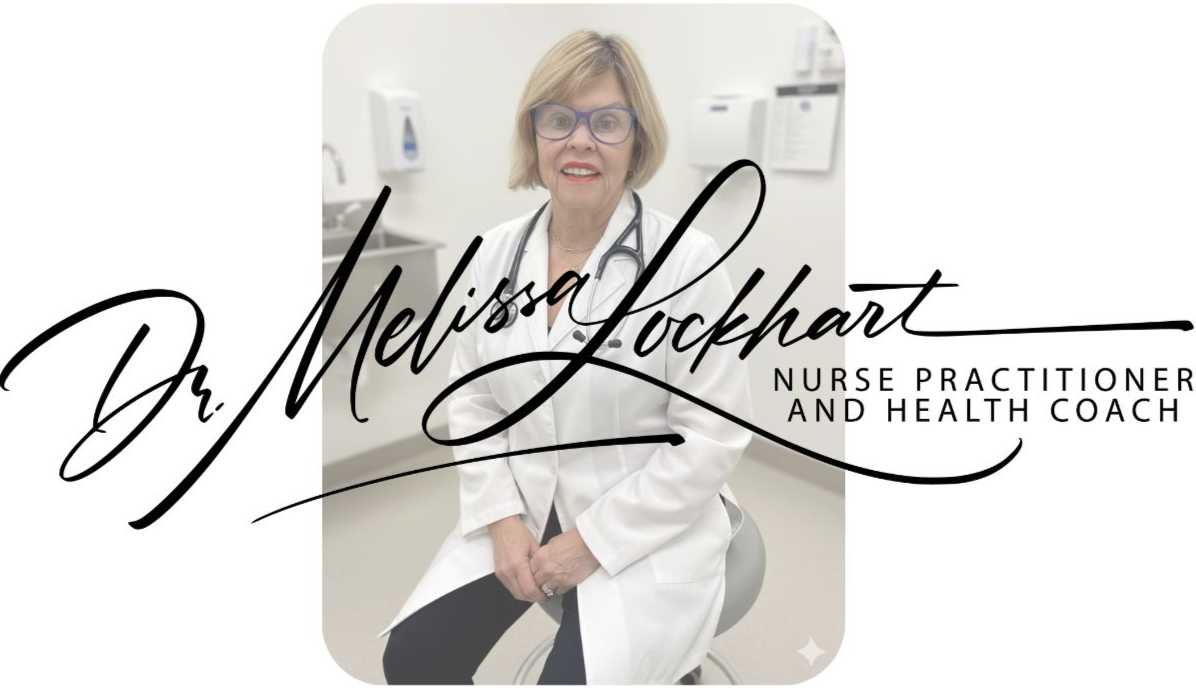
At Powerful Wellness, Dr. Melissa Lockhart and our team are dedicated to helping you feel powerful, vibrant, and in control. Whether you are looking for a 90-Day One-on-One Health Reset or just starting with our free resources, we are here to guide you.

Take the Next Step Toward Healing
The wait for a simple endometriosis blood test may soon be over, but you don't have to wait for the science to catch up to start feeling better. You can begin prioritizing your 5 Pillars of Health today.
If the journey to a diagnosis has left you feeling drained, isolated, or overwhelmed, please don't carry that weight alone. Support is available, and it is more accessible than ever.
Book Your Free 15-Minute Call
Ready to stop guessing and start creating a powerful plan for your hormone health and midlife reset? Book a free 15-minute discovery call with Dr. Melissa Lockhart and get clear on your next best step with supportive, informed guidance.
Find Out Fast: Your mental health deserves as much attention as your physical health. Take the first step toward emotional clarity and resilience.
Access therapy support through BetterHelp and start your healing journey today.
Disclaimer: The University of Edinburgh study discussed in this post is a significant scientific advancement, but the blood test is currently in the research and development phase (preprint/early stage) and is not yet available for routine clinical use. Always consult with a qualified healthcare professional regarding your specific symptoms and diagnostic options.