Navigate your health with clarity. If you’ve spent years: or even decades: managing the frustrating symptoms of Polycystic Ovary Syndrome (PCOS), there is a major update you need to hear. As of May 2026, a global consensus published in The Lancet has officially renamed this condition. It is now known as Polyendocrine Metabolic Ovarian Syndrome (PMOS).
While a name change might seem like a small clerical update, for women over 35 and 40, this shift is revolutionary. It finally moves the conversation away from "cysts" and places the focus exactly where it belongs: on your metabolism and your hormones.
Today, we are diving deep into what PMOS means for your health journey, especially as you navigate the transition into perimenopause and midlife. Plus, we are celebrating the launch of our Midlife Reset program, designed specifically to help you master these hormonal shifts.
Why the Change? The Story of PCOS to PMOS
For too long, the name "Polycystic Ovary Syndrome" was a source of confusion for both patients and healthcare providers. The term "cystic" suggested that the primary problem was dangerous cysts on the ovaries. In reality, those "cysts" are actually small, underdeveloped follicles: a symptom of an underlying hormonal imbalance, not the cause of the disease itself.
The global coalition that pushed for the name PMOS (Polyendocrine Metabolic Ovarian Syndrome) wanted a title that accurately reflected the whole-body nature of the condition.
- Polyendocrine: It involves multiple hormone systems, not just your reproductive ones.
- Metabolic: It highlights the deep connection to insulin resistance, weight, and cardiovascular health.
- Ovarian: It acknowledges the role of the ovaries without the misleading "cyst" terminology.
This shift is a victory for wellness for women over 35, as it validates that your struggle with weight, energy, and mood isn't just "in your head" or "just a period problem": it is a complex metabolic event.
Are You Meeting the Criteria? The PMOS Diagnostic Checklist
If you were diagnosed with PCOS years ago, or if you suspect you have it now, the diagnostic criteria remain the primary tool for clinical assessment. Under the new PMOS framework, clinicians look for at least two of the following three criteria (after excluding other potential causes like thyroid issues):
| Diagnostic Criterion | What It Looks Like |
|---|---|
| Hyperandrogenism | Elevated "male-type" hormones (like testosterone) found in blood tests, or clinical signs like excess facial hair, acne, or thinning scalp hair. |
| Ovulatory Dysfunction | Irregular periods, absent periods, or very long cycles, which indicate you aren't ovulating regularly. |
| Ovarian Morphology / High AMH | An ultrasound showing an increased number of small follicles (the "string of pearls") OR an elevated Anti-Müllerian Hormone (AMH) level in your blood. |

Common PMOS Symptoms to Watch For
The name has changed, but the PMOS symptoms you experience are very real. For women over 35, these can often be mistaken for early signs of perimenopause.
- Metabolic Struggles: Unexplained weight gain (specifically around the midsection), intense sugar cravings, and difficulty losing weight despite a healthy diet.
- Skin and Hair Changes: Persistent adult acne, thinning hair on the head (androgenic alopecia), or hirsutism (coarse hair growth on the chin, chest, or stomach).
- Cycle Irregularities: Periods that become unpredictable, heavy, or disappear for months at a time.
- Energy and Mood: Significant fatigue (especially after meals), brain fog, and increased anxiety or irritability.
Why PMOS Matters Specifically for Women Over 35
This is the "Midlife Gap" that many women fall into. When you hit 35 or 40, your natural progesterone levels begin to decline, and your estrogen levels can fluctuate wildly. If you have PMOS, this transition can feel like a perfect storm.
Perimenopause can mask PMOS symptoms, making it harder to get an accurate diagnosis. For example, irregular periods are common in both. However, the metabolic risks of PMOS don't just go away when you stop having a period. In fact, they can become more pronounced.
Stay informed: PMOS is not just a fertility issue. It is a long-term metabolic journey. As your hormones shift in midlife, managing your hormone balance for women over 40 becomes your most powerful tool for staying vibrant and energetic.

Long-Term Health Risks: Why We Monitor
Access the care you deserve by understanding the long-term implications of PMOS. Because this is a metabolic condition, it carries risks that extend beyond your reproductive years:
- Type 2 Diabetes: Due to chronic insulin resistance, women with PMOS are at a higher risk of developing blood sugar issues.
- Heart Disease: PMOS is linked to higher blood pressure and "bad" cholesterol levels, making cardiovascular health a priority.
- Metabolic Syndrome: A cluster of conditions (high blood sugar, high blood pressure, and excess body fat) that increase your risk of stroke.
- Endometrial Cancer: If you go long periods without ovulating (and therefore without regular periods), the lining of the uterus can thicken, increasing risk over time.
What to Do Next: Your Practical Checklist
Let's take control of your health today. If you suspect you have PMOS or were previously diagnosed with PCOS, follow these steps:
- [ ] Request a Full Panel: Ask your provider for a metabolic and endocrine workup, including fasting insulin, HbA1c, testosterone, and AMH levels.
- [ ] Track Your Cycles: Use an app to note not just the dates of your period, but also symptoms like acne flares or mood swings.
- [ ] Focus on Insulin Sensitivity: Prioritize "fiber-first" meals and daily movement to help your body process glucose more effectively.
- [ ] Prioritize Sleep: Poor sleep can worsen insulin resistance. Check out our Sweet Dreams Sleep Guide for practical tips.
- [ ] Join a Community: Don't do this alone. Midlife health is a team sport.
Launching Today: The Midlife Reset
Today, July 1, 2026, marks the official launch of our Midlife Reset for women. We created this program because we saw so many women over 35 struggling with "mystery symptoms" that were actually rooted in their metabolism and hormones.
Whether it’s PMOS, perimenopause, or a combination of both, you deserve a plan that works with your body, not against it. Our Midlife Reset focuses on the 5 Pillars of Powerful Wellness to help you feel vibrant, confident, and in total control.
Find out fast if this is the right fit for you: book a Free 15-Minute Discovery Call today and let’s talk about your metabolic health.

Disclaimer: The content on this blog is for educational and informational purposes only and is not intended as medical advice. Always consult with a qualified healthcare professional before making changes to your health regimen, especially regarding hormonal conditions.
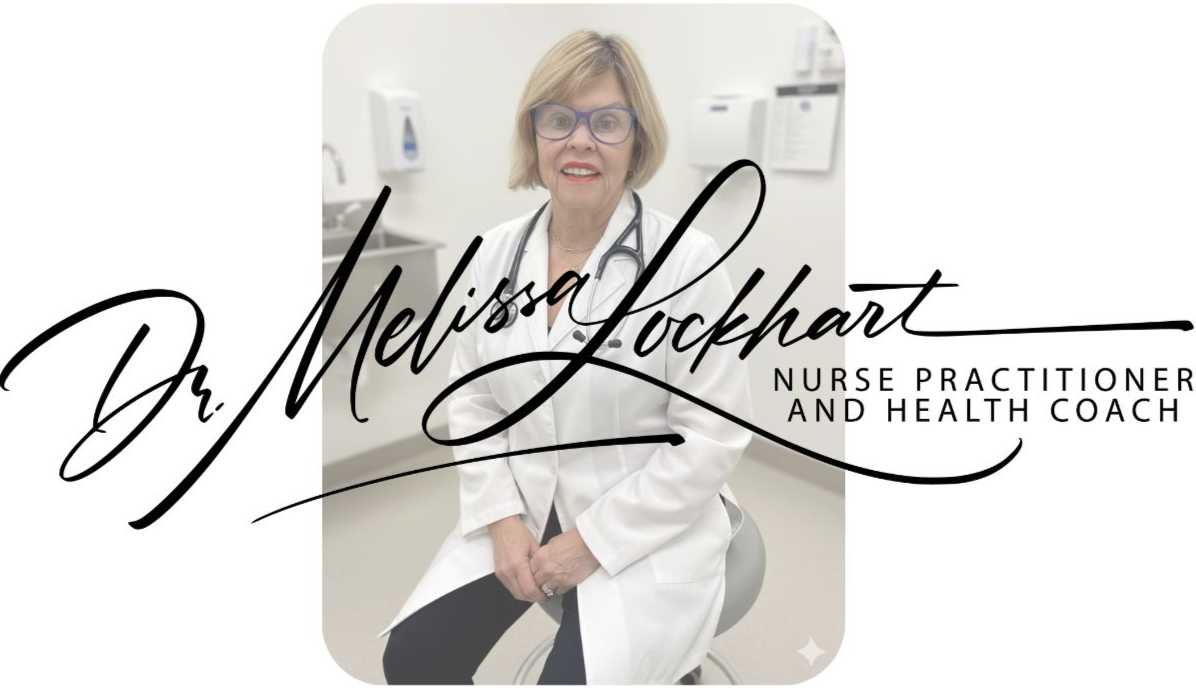
About Dr. Melissa Lockhart:
Melissa is a Board-Certified Nurse Practitioner and the founder of Powerful Wellness. She specializes in empowering women over 35 to reclaim their health through evidence-based, practical wellness strategies.